Keeping pet reptiles legally in Australia: licences, species and welfare
Native reptiles are not a backyard souvenir. Licensing differs across NSW, Victoria, Queensland and the rest of the country, wild capture is the wrong origin story, and a heat lamp is both welfare equipment and a fire risk.
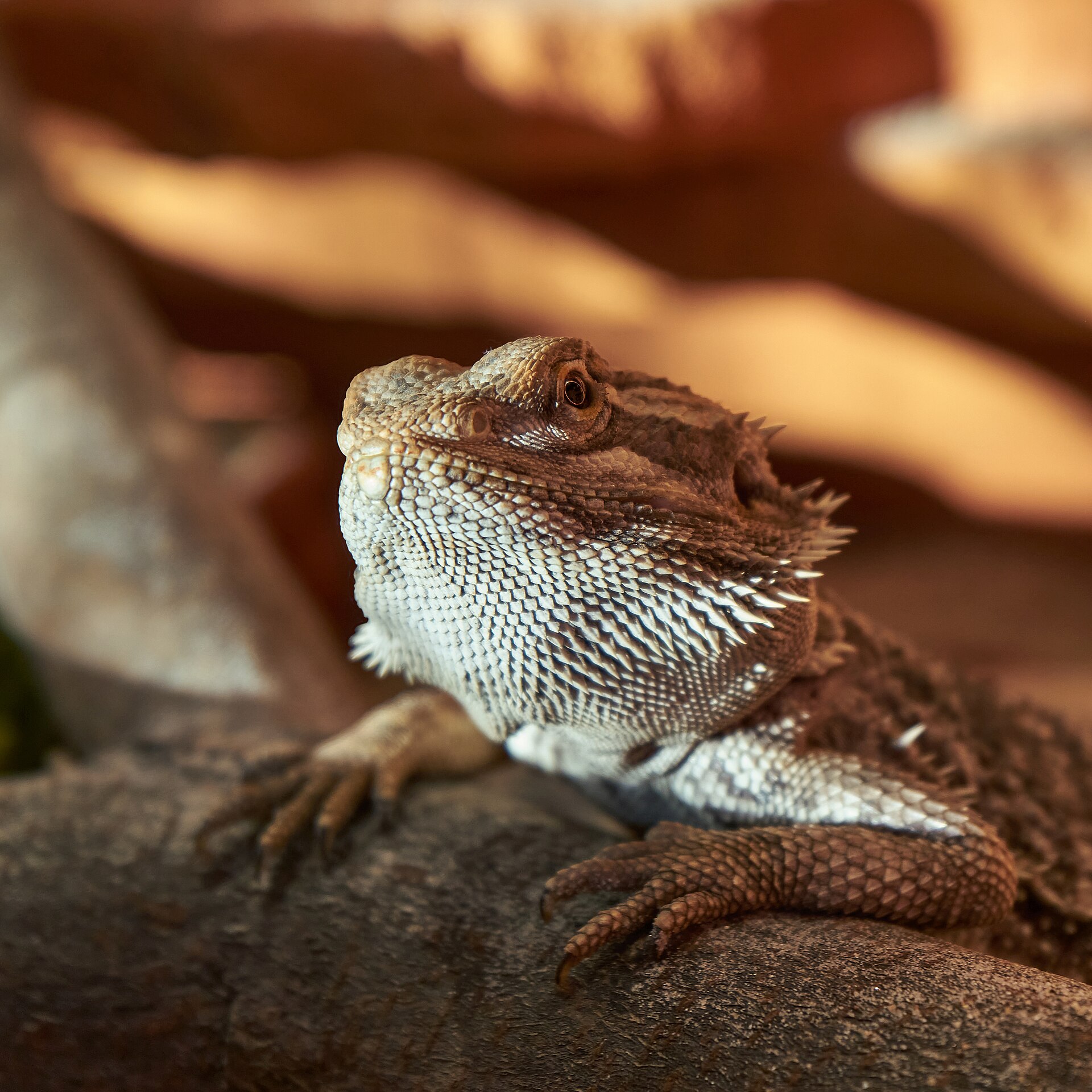
Australia’s pet reptile scene sits on a fault line. On one side: captive-bred bearded dragons, blue-tongue skinks and pythons kept by people who learned UV, temperature gradients and the licensing portal. On the other: a lizard caught under a hill’s hoist, a Facebook animal with no paperwork, and a heat globe screwed into a bedroom lamp. Only one of those stories is legal, kind, or insurable.
This is not a species-by-species husbandry manual and it is not legal advice for your address. Finish these questions before you buy a vivarium: who licences the animal, where it came from, whether you can keep it warm without burning the house down, and which vet will see a lizard on a Sunday. Our editorial standards are the same here as in a dog guide: we do not invent a national rule where six different statutes apply.
The law is state law. Read the one you live under
Wildlife is mostly a state and territory job. New South Wales, Victoria and Queensland are the three systems beginners ask about, and they are not interchangeable.
New South Wales runs biodiversity conservation licensing for many native reptiles. There are classes of keepers, lists of species that sit in each class, and rules about records and dealings. A central bearded dragon is a typical entry-level licensed pet in that system — typical, not automatic. You apply, you wait, you keep the paperwork with the animal.
Victoria uses a wildlife-licence structure with categories that depend on what you keep and whether you intend to trade. Some common species sit on a basic recreational licence; others do not. The department’s current species lists are the source, not a Facebook admin.
Queensland has recreational wildlife licensing and a reputation for taking biosecurity and native-animal rules seriously. Restricted and prohibited lists exist for a reason. If you are used to a looser backyard culture, Queensland is not the place to test it.
South Australia, Western Australia, Tasmania, the ACT and the Northern Territory each have their own wildlife and biosecurity settings. WA in particular is cautious about what may be kept and moved. Interstate travel with a reptile is not a casual boot-of-the-car activity. If you move house across a border, assume you must notify or reapply. Do not discover that at the rental inspection.
Exotic (non-native) reptiles are a harder conversation. Many species that are common pets overseas are prohibited here. Do not import an animal in a suitcase. Search your state’s environment or primary-industries site, read this year’s keeper licence page, and call if the PDF and the shop disagree. A seller who tells you not to worry is telling you something else.
Never take a lizard from the bush, the park or the back fence
This is the paragraph that should have been obvious and still needs writing. Native reptiles are protected wildlife. Catching a blue-tongue, a shingleback, a dragon or a python because the kids want a pet is taking an animal from the wild. It is unlawful in ordinary circumstances. It is also a poor origin for a pet: unknown age, unknown parasite load, unknown injuries, and a stress response that does not care about your good intentions.
If you find an injured reptile, you are a finder, not a keeper. Contact a licensed wildlife rescue or the state advice line. A healthy blue-tongue under the palings is already in the correct relationship: it eats snails, you watch from a polite distance. Boxing it is how the story ends at a rescue or a prosecution. Pay for captive-bred animals from licensed keepers. Walk away from “my cousin found it”.
Bearded dragons are common. They are still a project
The inland or central bearded dragon is the reptile most Australian families mean when they say they want a lizard. Captive-bred dragons can be handleable, visible and — by reptile standards — robust. They still need a large enclosure as adults, a basking gradient, ultraviolet light that actually emits UVB (and is replaced on a schedule, not when it still “looks bright”), a diet that moves from insects-and-greens toward more plant matter with age, and a winter that may include a brumation-like slowdown you should plan with a vet, not invent.
A 40-centimetre tank from a fish shop is a juvenile box, not a home. Adult dragons are a piece of furniture. If the enclosure will not fit the room, the animal will not fit the household.
Other popular licensed pets — blue-tongue skinks, some small pythons, turtle species where they are permitted — each have their own light, heat, humidity and diet. Turtles in particular are a long-lived aquatic commitment with filtration needs closer to a serious aquarium setup than to a desktop bowl. Do not buy a hatchling turtle for a child who will be out of home in five years.
Heat lamps, electricity and the house that has to stay standing
Reptiles are ectothermic. The enclosure must offer a warm end and a cool end so the animal can choose. That usually means a basking globe or ceramic heater, a thermostat (not a cheap dimmer you guess at), and a hide at each end. It also means fire.
Unguarded globes against dry branches, extension leads coiled under a wooden unit, thermostats that fail “on”, and glass tanks placed under curtains are how bedroom fires start. Use a thermostat you can trust, a lamp cage, a smoke alarm in the room, and a setup you can still explain when you are half-asleep. Switchgear belongs on a proper powerboard with surge protection, not in a daisy chain behind a bookcase.
In an Australian summer the room may already be hotter than the cool end you designed in June. Air-conditioning, a quieter heat source, and a thermometer you actually look at matter more in January than a second hidey. In a blackout, you need a plan that is not “it’ll be right for twelve hours” if the species cannot tolerate the drop.
Do not heat with a rock that has a cord coming out of it as your only source, and do not put the enclosure in a window that cooks at 3pm.
Vets, first aid and the limit of a good enclosure
Find an exotics-capable veterinarian before you need one. A reptile that has not eaten, has sunken eyes, a swollen limb or dropping weight is a clinical case. Metabolic bone disease from poor UV is still common and still preventable. Do not dose, guess an antibiotic, or treat a lamp burn with a kitchen cream. Transport in a secure box and take a pet first aid kit with the vet’s number and the enclosure temperatures. Wash hands; keep the enclosure out of the kitchen prep area.
Licence current before money moves. Animal from a documented captive source. Enclosure large enough for the adult. Thermostat on, UVB in date, a clinic name in the phone. Reptiles reward people who like systems. They punish people who like souvenirs. Leave the wild lizards under the palings.
People also ask
Do I need a licence to keep a reptile in Australia?
In most states and territories, yes for native reptiles — the paperwork, the species list and the keeper classes differ. Check the wildlife or environment department where you live before you pay a deposit. A shop receipt is not a licence.
Can I keep a bearded dragon without a permit?
Often no. Bearded dragons are a common licensed pet, not an unregulated one. Some jurisdictions fold common dragons into an entry-level class; others still want you on the books. Confirm the current class and any enclosure rules for your state, then apply before the animal moves in.
Is it legal to catch a lizard from the backyard?
Almost never as a pet. Native wildlife is protected. A blue-tongue that lives under your palings is not yours to box. If an animal is injured, call a licensed wildlife carer or the relevant state advice line. Do not “rescue” a healthy lizard into a fish tank.