Choosing dog and cat food in Australia without falling for the bag
A pretty bag is not a diet. Here is how to read completeness language, life stage, grain-free claims and raw feeding in Australia without turning dinner into a brand argument.
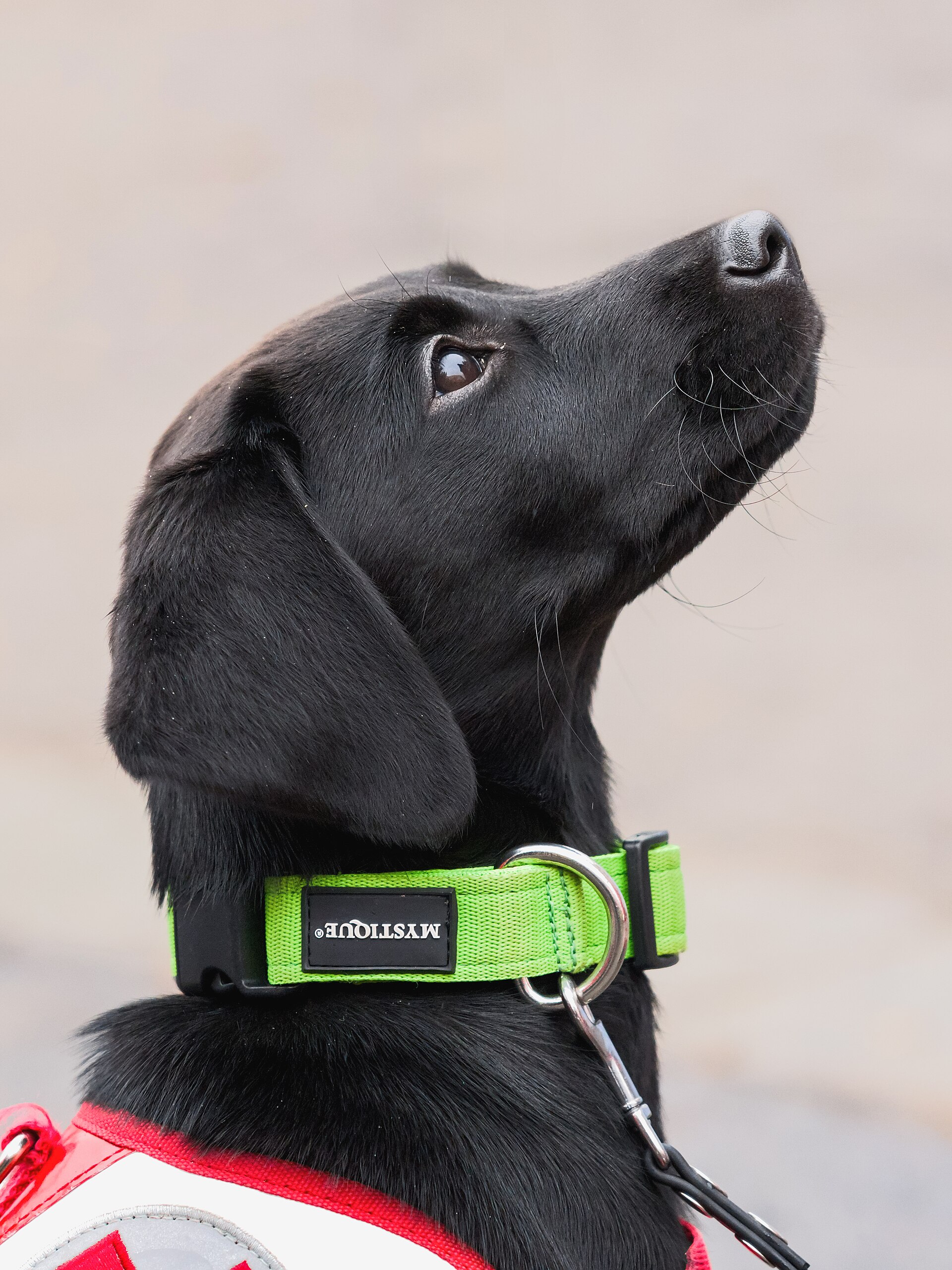
Pet food marketing in Australia has learned the language of farmers’ markets. Bags now feature paddocks, “ancestral” wolves, and kittens who appear to hunt salmon in a fjord. None of that is a nutrient profile. The animal in your kitchen needs a diet that is complete for its species and life stage, stored in a climate that includes January heat, and priced so you can keep buying it after the novelty wears off.
This is not a brand ladder. The useful skill is reading the claim on the pack the way you would read a cereal box if your child could only eat that cereal.
Two related household jobs sit beside the bowl. Teeth do not clean themselves because a kibble looks angular — see how to clean your dog’s teeth. And the most expensive food in the aisle will not save a pet who has just eaten a backyard onion, a xylitol mint or a leftover chop bone. Keep foods that are toxic to pets on the same mental list as the feeding guide.
Completeness language, without the exam
Serious pet-food conversation uses complete and balanced: the product is meant to be the whole ration, formulated to a published nutrient profile or proven in a feeding trial. Overseas that conversation often names AAFCO. In Australia you will also see Pet Food Industry Association of Australia language and claims that a food is nutritionally adequate for a stated purpose. You do not need committee names. You need three kinds of product.
A complete food is dinner. If you feed it at the right amount, with water, the animal should not need a second “main” food to fill nutrient holes.
A complementary food, mixer, topper or treat is not dinner. It can be useful. It can also quietly unbalance a careful diet if it becomes a third of the day’s calories.
A veterinary prescription or therapeutic diet is a complete food with a clinical job — kidney support, urinary care, food elimination trials, gut rest. It is not “fancy supermarket”. It is closer to a medicine that happens to come in a bag.
If a label will not tell you which of those three you are holding, put it back. “Holistic”, “premium” and “human grade” are not those three.
How to read an Australian pet-food label
Start with the species and the life stage. Kitten, puppy, adult maintenance, senior, gestation and lactation are different nutrient jobs. A food for “all life stages” is aiming at the hungriest of those jobs, which can be too rich for a desexed indoor cat who walks to the sofa and back. A cute puppy picture does not make an adult food safe for a growing giant-breed pup.
Read the feeding guide as a starting point, not a dare. Guides are written for average animals. Your kelpie on a farm and your cavoodle in a unit are not average to each other. Body condition — ribs you can feel without a fat quilt, a waist from above — is the weekly exam. Adjust down before you invent a thyroid story.
Ingredients are listed by weight as they go into the recipe, which means water-heavy meats can look more heroic than a dried meal that actually delivers more protein per kilogram. That is not a trick unique to pet food. It is why you do not panic at the first word or worship it.
Look for a real company and a best-before system. Australian summers destroy bags left in a boot. Buy sizes you will finish while the fat is still sound. Cats need a complete cat food, including usable taurine. Dogs do not thrive on a random share of your roast. Species-appropriate means made for this species, not “looks like a hunt”.
Is grain-free dog food better?
For most dogs, no. Grain is not a toxin. Wheat, rice, barley and similar ingredients are digestible carbohydrate and other nutrients for many animals. True grain allergy exists and is diagnosed with a proper elimination process, not with a hunch after one itchy week. More dogs are allergic to specific animal proteins than to “grain” as a folk devil.
Grain-free diets often replace cereals with more potato, legume or novel starch. That can be adequate, or just a dearer marketing story. There is also an unfinished veterinary conversation about some boutique, exotic or grain-free diets and dilated cardiomyopathy in dogs. If your dog is on one of those diets, or you want to switch because a groomer liked the bag, ask your vet. Do not crowd-source a cardiology opinion.
Cats have a grain-free aisle too. Their bigger risk is still a food that is not a complete cat food, plus a bowl that never empties.
Can you feed raw in Australia?
You can buy raw mince in pet form. You can grind your own. You can join a group that speaks about enzymes with religious feeling. None of that abolishes bacteria.
Raw meat, raw meaty bones and raw eggs can carry Salmonella, Campylobacter and other organisms that make pets sick and that contaminate benches, toddlers, and the tea towel you used to wipe a muzzle. People who are pregnant, elderly, very young or immunocompromised share houses with pets. A raw program that ignores them is not natural. It is rude.
Bones, even raw ones, can fracture teeth and lodge in guts. Cooked bones are worse and belong in the toxic-foods conversation. “Meaty bone” is not a dental plan. Dental care is brushing and, when your vet says so, professional work.
Nutritional balance is the other cliff. Calcium, phosphorus, iodine, vitamin A, taurine for cats — homemade raw is a popular way to get those wrong with great confidence. If you are determined, use a recipe from a veterinarian with nutrition training, not a screenshot, and accept the hygiene rules as part of the cost.
Some commercial raw products are formulated as complete foods. Read them with the same completeness test as kibble. A garage fridge that cannot hold temperature is not storage.
Life stage, treats and the prescription bag
Puppies and kittens need growth diets and more frequent meals. Adults need fewer calories than the bag’s optimistic dog. Seniors may need a therapeutic diet because the kidneys have joined the plot. Desexing changes appetite; measure cups. Treats, dental chews and toast count.
Prescription diets come from a diagnosis, not a late-night search. A urinary food after a blocked cat is not an upsell. If a kidney diet is recommended, ask what you are measuring and when bloods are rechecked. You cannot safely replace a renal diet with a boutique “gentle” bag because the colours match.
Transition foods over several days. Water is part of diet: cats do better with wet food or several bowls. A clean bowl in two rooms is cheaper than a urinary crisis.
A way to choose without falling for the bag
Write the constraints first. Species. Age. Body condition. Any diagnosis. Budget you can sustain in August, not only in the week you got paid. Whether you will actually open tins every day. Then pick a complete food that meets those constraints and that your animal will eat.
Reassess at the vet visit, not when a new influencer launches a marsupial-protein limited edition. If the coat is poor, the stool is reliably awful, or the animal is losing or gaining weight, you have a clinical question, not a loyalty-points question.
Choosing dog and cat food in Australia is a literacy job. Completeness over poetry. Life stage over the photograph. Grain-free only when there is a reason, and even then with a vet in the loop. Raw only with eyes open about bacteria and balance. The bag is packaging. Dinner is the part that has to work on a Thursday in a real kitchen.
People also ask
Is grain-free dog food better?
Not automatically. Some dogs need a grain-free recipe because of a diagnosed food problem, which is less common than owners think. For everyone else, grain-free is a marketing lane. There has also been a serious veterinary conversation about some boutique, exotic or grain-free diets and heart disease in dogs. If you are considering a switch, ask your own vet rather than a bag or a forum.
How do I read a pet food label in Australia?
Look first for whether the food is described as complete and balanced for a stated life stage, not merely as a complementary treat or mixer. Then read the intended species, feeding guide, ingredient list and any statement about a recognised nutrient profile or feeding trial. Ignore the wilderness photograph. If you cannot tell whether dinner alone would keep the animal nourished, the label has already failed you.
Can I feed raw in Australia?
You can, in the sense that raw products are sold and some owners prepare meat at home. You should not treat it as automatically more natural or safer. Raw rations can carry bacteria that sicken pets and the people who share their kitchen, and a homemade mix is easy to unbalance. If you still want to feed raw, do it with veterinary guidance, strict hygiene, and no leftover meat for a toddler to find on the floor.