What to put in a pet first aid kit in Australia
A useful kit is bandages, saline, a tick snare for the trip to the clinic, the emergency vet’s number and the humility not to dose human painkillers. It is not a home hospital, and it is never paracetamol for a cat.
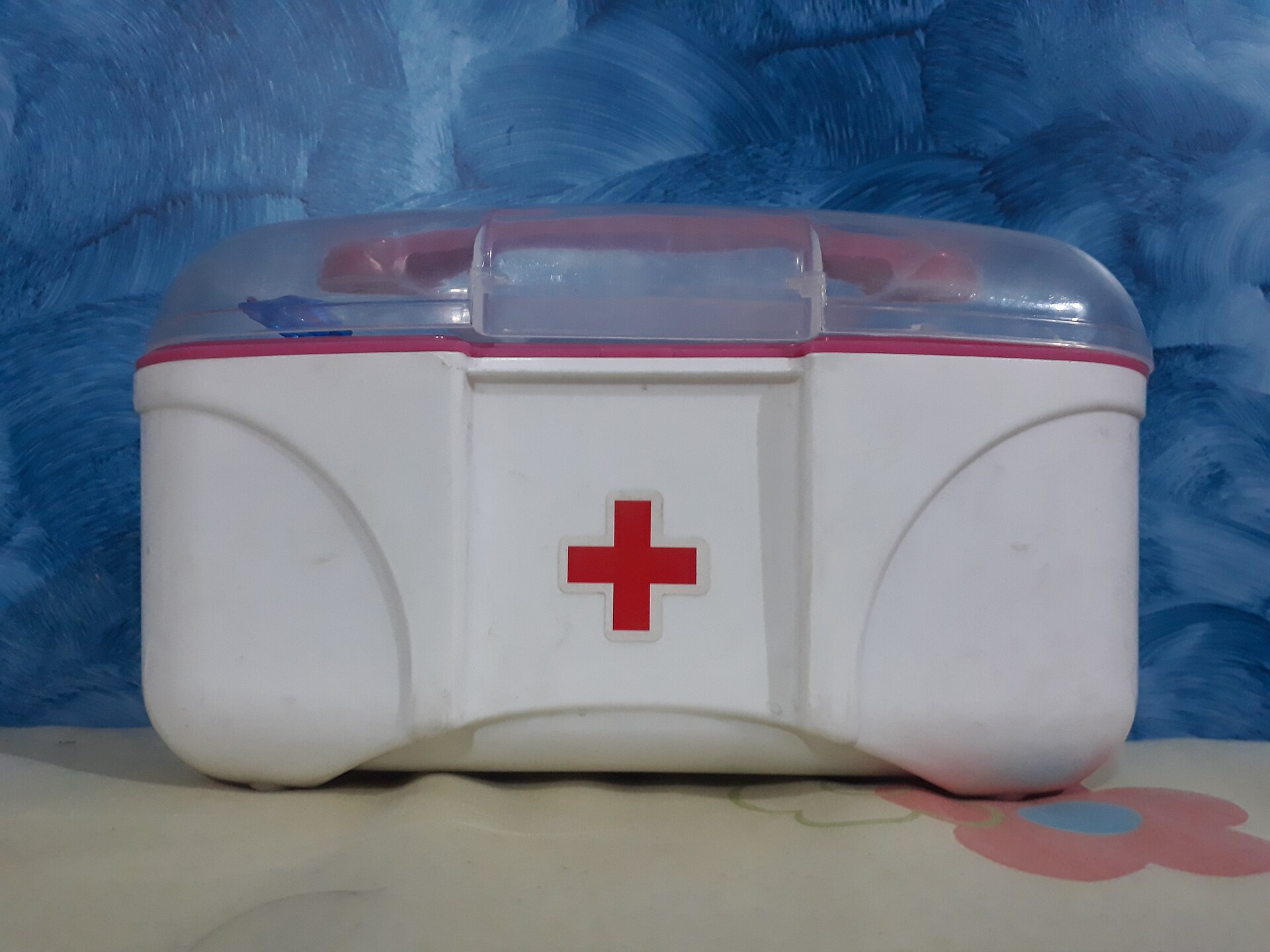
A pet first aid kit is a box that makes the trip to the clinic cleaner, calmer and faster. It is not a licence to diagnose. The household that treats a wobbly dog with a human tablet and a wait-and-see is the household that arrives later, with a harder case. Build the kit for the accidents Australia actually produces — heat, ticks, snake country, pavement grazes, a pad cut on a beach shell — and write the phone numbers in permanent marker before you need them.
If you want a medical protocol, you want a veterinarian. The kit has three jobs: stop you being bitten while you move an animal in pain, slow bleeding so a wound does not collect gravel, and give the clinic the species, weight, what happened and the time. It is not for stitching or leftover antibiotics.
Keep one kit at home and a smaller pouch in the car. Check it when you change the smoke-alarm batteries. Throw out anything that has cooked in a boot through a Perth summer.
The contents that earn their space
- Numbers, written down. Your regular clinic, the closest 24-hour emergency centre, and the Poisons Information Centre on 13 11 26. A photo of the pet’s vaccination and usual-medicine list. The microchip number. If you have more than one animal, write which is which.
- Saline pods or a bottle of sterile saline. For flushing grit from eyes and wounds. Not for force-drinking.
- Non-stick pads, gauze, a cohesive (self-adhesive) bandage, and tape. Learn a simple paw wrap that is firm, not a tourniquet. If toes swell or go cold, it is too tight. Clinics would rather unwrap a clumsy bandage than treat a wound full of park mulch.
- Blunt-ended scissors and a tick remover or fine tweezers. Scissors for tape and fur that is glued with something nasty. Tick tools are for transport, if you can see the tick and you have been shown how to pull steadily, close to the skin, without squeezing the body. They are not a treatment for paralysis.
- A soft muzzle or two sizes of pop-on muzzle, plus a spare lead. Painful dogs bite people they love. Cats travel in a high-sided carrier, not in arms.
- Instant cold packs and a space blanket or towel. Cold packs never go straight on skin; wrap them. Towels do more work than gadgets — shade, wrap, lift.
- Disposable gloves, zip bags, a torch, and a notebook. Bags for a tick you have removed (take it in), a vomited object, or a bait you want identified. Torch for ears, mouths and under the house. Notebook because you will forget the time.
- A digital thermometer only if a nurse has shown you how to use it safely. A number you collected badly is worse than no number.
Do not pack human Panadol, Nurofen, aspirin, essential oils, hydrogen peroxide “to make them vomit”, or a mystery capsule from the last dog.
Never paracetamol for cats. Never guess a dose for anyone
Paracetamol (acetaminophen, the active ingredient in many “Panadol” products) is extremely toxic to cats. A single human tablet can be enough to kill. There is no home adjustment that makes it safe. If a cat has been given any, you are already on the way to a vet, packet in hand.
Dogs are not a casual market for human painkillers either. Ibuprofen, naproxen and other anti-inflammatories wreck guts and kidneys. Aspirin is not a weekend plan. Even drugs that vets sometimes use in dogs are dosed and chosen for that animal, with a weight, a diagnosis and a check for other medicines. Your bathroom cabinet does not have those facts.
If a pet is in pain, you transport, you do not dose. If you already gave something, you say so at the door. Honesty is a clinical tool.
The same rule covers leftover antibiotics, tea-tree on a wound, and human cortisone cream.
Tick paralysis: search, travel, do not wait for it to declare itself
If you live or holiday where paralysis ticks are a fact — much of the east coast, and any trip into that habitat — the kit is there to support a search and a drive, not a living-room surgery.
Search the animal. If you find a tick and you can remove it cleanly, do, and take the tick with you. If the dog or cat is already weak, wobbly, changing voice, retching, or working to breathe, you are not finishing a thorough groom. You are leaving. Carry, do not walk a heavy dog up a hill. Keep them cool and quiet. Call ahead so the clinic can prepare.
Animals can deteriorate after removal. “I got it off, so we will see in the morning” is how mornings become worse. Tick antitoxin and nursing care are hospital jobs.
Snakes are the other Australian special. If you suspect a bite, you keep the animal as still as you reasonably can, you immobilise a limb if you can do it without a fight, and you go. Do not cut, suck, or ice the site. Note the time and a description if you saw the snake from a safe distance. Do not bring a live snake to prove a point.
Heatstroke is first aid plus a moving car
A dog locked in a car, worked on January bitumen, or left in a yard without shade can cook. Signs include heavy panting, gum colour that looks wrong, drooling, wobble, collapse, vomiting and diarrhoea. You move them to shade, you start gentle cooling with room-temperature water on the body (especially the belly and groin), you use a fan or the car air-conditioning, and you drive to a vet. Do not dump ice over the animal. Do not force a huge drink into a nauseous mouth. Do not assume that because they stand up they are finished.
Cats, rabbits and guinea pigs overheat in smaller, quieter ways. Floppy, panting, hot and still means the same trip. The kit’s towels and water matter; the clinic’s oxygen and monitoring matter more.
For the rest of the weekend — the pad cut, the torn nail, the bee sting that is only a swelling — you still use judgement. A pad that will not stop bleeding after ten minutes of firm pressure, a belly that is taut and painful, an eye that is suddenly blue or slammed shut, a pet that cannot use the hind end, a bait you did not put down, a food you know is toxic — those all skip the home observation period.
Practise a paw wrap on a calm Tuesday. Teach every adult where the box is. When something happens, one person handles the animal, one person drives and rings. A short call that says “six-year-old kelpie, possible tick, ten minutes away” does more than a perfect bandage. After the visit, restock.
A first aid kit will not make you a vet. It will make you someone who can muzzle a frightened dog, find the emergency number in the dark, and decline to invent a dose. Keep the box boring, keep the phone list current, and when in doubt, go.
People also ask
What should be in a dog first aid kit?
A muzzle or a strip of soft fabric, saline, non-stick pads, a cohesive bandage, tape, blunt-ended scissors, tweezers, a tick remover if your vet has shown you how to use one, a digital thermometer only if you have been taught to use it, your vet’s number, and a copy of the pet’s usual medicines. It is for transport and control of bleeding — not for a weekend of home treatment.
What do I do for tick paralysis?
Treat it as an emergency, not as a grooming job. Keep the animal calm and cool, get to a vet, and tell the triage nurse you suspect a paralysis tick. If you can see the tick and you have been shown a safe removal method, remove it on the way — removal is not the cure. Animals can still worsen after the tick is off.
Can I give my dog human panadol?
No. Do not give human paracetamol, ibuprofen or any other painkiller from the bathroom cabinet. Paracetamol is extremely dangerous to cats and is not a casual dog medicine. Pain relief is a veterinary decision. Guessing a human tablet is how animals end up with liver or kidney injury on top of the original problem.