Keeping pet rats in Australia: what good care actually looks like
Fancy rats are social, short-lived companions — legal in some states, restricted in others — and they need friends, space on several levels, and a vet who will talk honestly about tumours. They are not the rats in the roof.
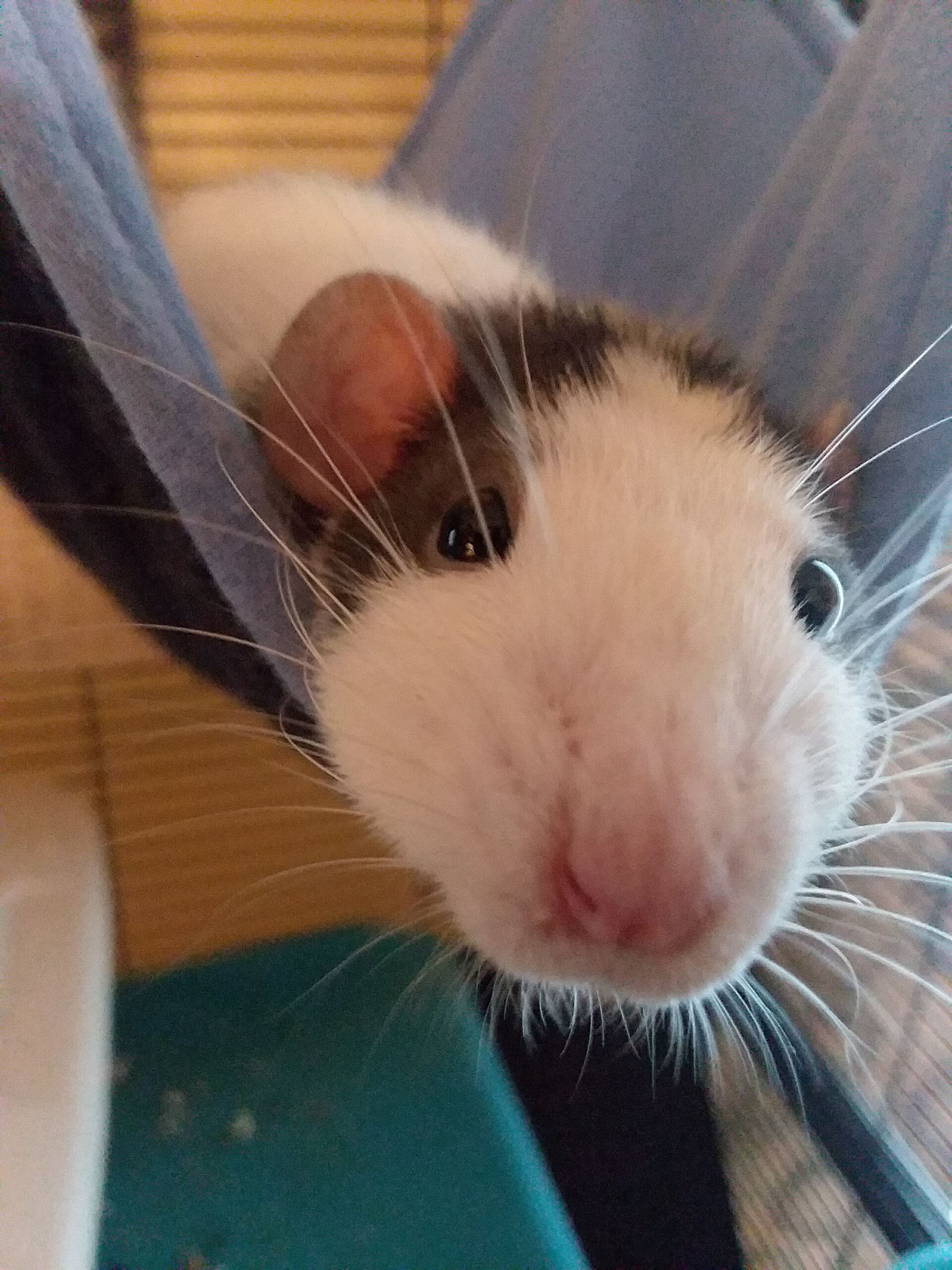
A pet rat is not a wild rat with a nicer colourway, and it is not a hamster with a longer tail. Fancy rats — the domesticated Rattus norvegicus lines sold as companions — are social, trainable, nocturnal-leaning mammals with a brief, intense lifespan and a genuine talent for squeezing through gaps you would have sworn were too small. Good care in Australia is three conversations at once: whether you are allowed to keep them where you live, how you house a climbing animal that wants friends, and how you will handle the veterinary reality of a two-to-three-year life.
Stay for the legal paragraph. It is the one that stops a well-meant purchase becoming a seizure or a dump.
Domestic rats are not the ones in the ceiling
Wild black and brown rats in Australian suburbs are pests, not a rescue project you complete with a towel. Trapping a roof rat and “taming it up” is how households get bitten. Fancy rats come from breeders — selected for temperament, still chewing, still scent-marking. Keep the wild population out of the pet cage, and the pet population out of the roof.
If you already keep other small mammals, do not assume the guinea pig playbook transfers. Rats climb and will investigate a gap behind the fridge.
Check your state before you check the cage sale
Australia does not have one national rule for pet rats. Biosecurity law treats some rodents as restricted invasive animals. Queensland is the jurisdiction people most often discover the hard way: restrictions on keeping certain Rattus species exist, and “but the Facebook listing was local” is not a defence. Other states and territories have their own pest and exotic-animal settings. Councils can add nuisance or number rules on top.
Before you buy, rehome, or travel with rats:
- Read the current page from your state or territory agriculture, biosecurity or environment department — not a three-year-old forum post.
- Ask the seller, in writing, what species they are selling and whether they know the local rules. Fancy rats are domestic brown rats. If the seller is vague, walk away.
- If you are moving from, say, Victoria to Queensland, assume you must check again. Do not put a cage in a removalist truck on a guess.
- Never release a pet rat outdoors. It is cruel, it is a pest risk, and it will not “join the wild ones” in a Disney sense.
This desk cannot certify your address. The competent authority in your state can. If the answer is no, the kind choice is not to acquire the animal.
Lifespan, tumours and the honesty you owe yourself
Two to three years is a typical pet-rat life. Exceptional animals see four. That is not a reason to treat them as disposable, and it is not a reason to be shocked when a lump appears at eighteen months. Mammary tumours are common in does; other masses, pituitary disease and respiratory decline show up across sexes. You will likely have at least one veterinary decision that costs more than the original pair.
Find a clinic that treats rats before you need a 9pm consult. Ask whether they do small-mammal anaesthesia and whether they are willing to discuss quality of life, not only “we can try surgery”. A lump is not a DIY project. Neither is a rat that is open-mouth breathing, tilting, or unable to use a limb.
Respiratory disease is the other everyday heartbreak. Ammonia, dusty bedding and aerosolised household products all matter. A mild snuffle can become pneumonia. Red porphyrin around the nose looks like blood and often means stress or illness. Book the vet. Do not start a leftover antibiotic from the dog. When one of a pair dies, the survivor needs company in days and weeks, not after Christmas.
Cages: go up, go solid, go easy to clean
Rats use vertical space. A good cage has several levels, ramps that an older rat can still manage, hammocks, and a solid base you can actually scrub. Bar spacing must be tight enough that a youngster cannot walk through it. Pet-shop starter cages sold for a single hamster are almost always too small, too short, and too poorly ventilated or, conversely, so open that a first draft of air-freshener takes the residents with it.
Wire floors over a drop tray look convenient and wreck feet. Give solid resting platforms. Offer a deep-ish dig box with paper-based substrate in one corner if you can stand the mess; rats forage. Hide food. Rotate cardboard tubes. A bored rat redecorates the skirting boards the first time someone leaves the door unlatched.
Cleaning products are a welfare issue, not a lifestyle choice. Do not use essential-oil sprays, tea-tree cleaners, pine or citrus “antibac” mists, or plug-in air fresheners in the same room as the cage. Rats have a respiratory tree that objects to the same scents people buy to hide a smell. Hot water, a pet-safe detergent, and a vinegar rinse on hard surfaces (kept away from the animals until dry) will do more than a scented fog. If the cage smells like a drain, the schedule is wrong, not the oil blend.
Place the cage out of direct summer sun and away from the cooktop. Rats overheat. They also investigate cables. Free-range time should be in a rat-proofed room — no gaps behind the washer, no toilet lid left up as a curiosity, no other pets unsupervised. A curious terrier is not enrichment.
Food, treats and the toxic-cupboard problem
A complete rat block or lab-style nugget as the staple, plus measured fresh vegetables and the occasional lean protein, is a calmer diet than an open buffet of sunflower seeds. Seeds and sugary treats become the whole menu if you let the rats vote. Obesity makes tumours and respiratory disease harder to live with.
Human snack culture is a hazard. Chocolate, caffeine, raw dried beans, green potato, and a long list of sugar-free products that hide xylitol are not “a bit won’t hurt” foods. For the wider household list — the one that also covers the dog who will rob the bench — see foods that are toxic to pets. If a rat eats something it should not, ring a vet or a poisons line; do not wait to see if they “sleep it off”.
Water in a bottle and a small bowl. Bottles clog. In Australian heat, check both.
Handling, children and the social contract
Rats that are handled daily from a young age will climb into a cupped hand, ride a shoulder, and come when a yoghurt-tub lid appears. Rats that are only grabbed will bite, and then the household decides they are “mean”. Sit on the floor. Let them come out. Do not squeeze. Supervise children the entire time — a dropped rat is a fractured rat.
Wash hands before and after. Do not keep rats in a classroom empty for two weeks of holidays without a named carer, and do not give a rat as a birthday surprise.
Good care on a Thursday night is two rats coming forward, dry bedding, a two-minute glance at breathing and lumps, and a clinic you would actually ring at 8pm. The job is not expensive in equipment. It is expensive in attention. If the legal answer where you live is no, believe it. If it is yes, keep them in company, keep the air clean, and go in with your eyes open about how short a rat life is.
People also ask
Are rats legal pets in Australia?
It depends on the state or territory. Domestic fancy rats are commonly kept in some jurisdictions and restricted or prohibited in others, including parts of Queensland’s biosecurity framework. Check your state agriculture or biosecurity agency and your council before you buy, move or rehome an animal. Do not assume a pet-shop listing means it is legal at your address.
How long do pet rats live?
Most pet rats live around two to three years, sometimes a little longer, sometimes less. That short span is not a failure of care. Tumours, respiratory disease and age-related decline are common. Go in knowing you will likely face veterinary decisions within a couple of years.
Do pet rats need friends?
Yes. Rats are colony animals. A single rat in a bedroom cage is a lonely animal, however much time you spend with it. Keep same-sex pairs or small groups, introduce new rats carefully, and plan for the survivor when one dies.