Rabbit care in Australia: housing, diet and the mistakes that hurt
Pet rabbits do well in Australian homes when they have shade, hay, company and a vet who knows lagomorphs. Full-sun hutches, muesli mixes and a solo life are the usual ways it goes wrong.
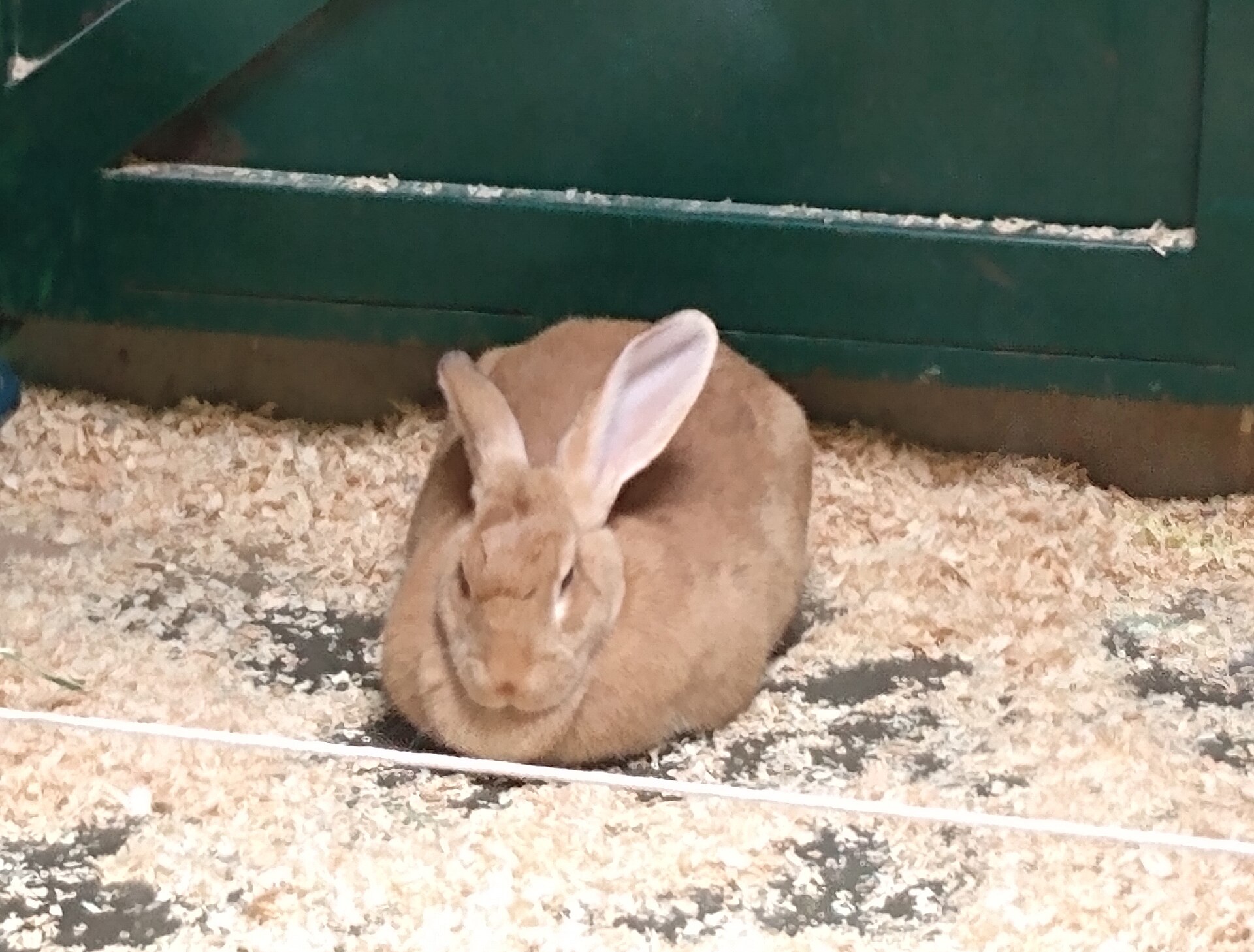
A pet rabbit is not a low-maintenance starter animal, and Australia is not a gentle climate for one. A hutch that has sat in western sun since morning will collapse the same animal that looks charming on a shaded lawn. A supermarket “rabbit mix” will quietly wreck teeth and gut if it replaces hay. Good care is specific: shade, hay, company, and a vet who actually sees rabbits.
Rabbits are pets. They are not a wild species you can “return”
Domestic rabbits in Australia are kept animals, not a native species you release when the novelty fades. Feral rabbits remain a serious pest. Dumping a pet on a roadside or “back into the bush” is cruel and, in most places, unlawful.
Rules on keeping a rabbit are not identical everywhere. Most states and territories treat pet rabbits as companion animals, subject to ordinary welfare law and, sometimes, local council rules about numbers or enclosures. Western Australia has historically taken a harder biosecurity line on European rabbits than the eastern states. Check your state agriculture or biosecurity department and your council before you buy or move interstate. If you cannot keep a rabbit, rehome through a rabbit-specific rescue — do not open the hutch gate.
Housing that survives an Australian summer
The picture many people still buy is a small wooden hutch on legs, dropped on a concrete slab, with a bit of wire at the front. That setup fails here for three reasons: heat, space, and predators.
Rabbits handle cold better than heat, but they cannot sweat the way a dog pants. On a 35-degree afternoon in western Sydney, Adelaide or inland Queensland, a hutch in full sun is an oven. Even a “shaded” hutch can cook if the roof is dark metal and there is no airflow.
Minimum sensible housing is a large, predator-proof run attached to a solid hide, or a dedicated indoor pen with daily supervised time out. The run needs shade all day — not shade at 9am that is gone by noon. Wire floors cut hocks; bare concrete burns in summer and chills in winter. Give a solid resting area. Foxes, dogs, cats and birds of prey all take rabbits, so night housing must be locked. If you already think about keeping dogs safe in Australian heat, apply the same heat logic to a species that cannot walk itself into the shade.
Bring rabbits inside during heatwaves, bushfire smoke and severe storms. A tiled laundry, water in more than one bowl, and a frozen bottle wrapped in a towel can prevent a vet dash. If a rabbit is floppy, breathing hard, hot to touch or unresponsive, cool them gently with damp towels — not ice dumped on the body — and go to a vet now.
Hay is the diet. Everything else is a side
Grass hay should be in front of the rabbit at all times. Timothy, oaten, meadow and pasture hays are the usual Australian supermarket and produce-store options. Lucerne (alfalfa) is richer and is a poor everyday staple for a healthy adult. Hay wears the teeth, keeps the gut moving, and occupies an animal built to forage for hours. A rabbit that only meets a bowl of dry mix twice a day is being set up for dental disease and gut stasis.
Pellets should be a measured complement. Choose a plain, high-fibre rabbit pellet without coloured bits or seeds, and confirm the serve with a rabbit-experienced vet — a Mini Lop and a Flemish Giant are not the same animal. Daily greens belong in the picture: herbs, Asian greens and darker lettuce leaves, introduced one at a time. Fruit is a treat.
Avoid muesli-style mixes sold as complete rabbit food. Rabbits pick the sweet pieces and leave the fibre. Leftover toast and biscuit crumbs are not a staple either. Offer water in a heavy bowl as well as, or instead of, a bottle, and check it twice a day in heat. A rabbit that stops drinking needs a vet.
Companionship is welfare, not a luxury
Rabbits are social. A single backyard hutch rabbit is a common Australian setup and a common source of circling, handling aggression, and a quietness people mistake for contentment. Bonded pairs — often a desexed male and female, introduced carefully — are the usual rescue recommendation. Discuss desexing with a vet who operates on rabbits regularly. Unfamiliar rabbits dumped together in a small cage will fight.
Guinea pigs are not a substitute companion. They have different diets, different body language, and a real risk of injury. If you are comparing small-pet households, read our guinea pig care guide as its own job, not as a cheaper roommate.
Vaccination, calicivirus and myxomatosis — high level, then the vet
Australia still lives with rabbit calicivirus (rabbit haemorrhagic disease virus, RHDV) and myxomatosis. Both were introduced to control wild rabbits. Both still kill pet rabbits. That is not a reason for panic, and it is not a reason to skip prevention.
Calicivirus can move on insects, clothing, wild rabbits and contaminated pasture. Myxomatosis is classically mosquito-borne. A Brisbane backyard, a Melbourne hobby farm and a coastal New South Wales block are not the same risk profile, but none is automatically safe because the rabbit “never leaves the run”.
Find a vet who treats rabbits and follow their vaccination advice for your postcode and the animal’s age. Do not buy a product online and guess a schedule. Mosquito control around the run helps; it does not replace vaccination. Insect-proof housing helps; sealed plastic boxes that overheat do not.
Handling, health checks and when to stop googling
Pick rabbits up as little as you can, and never by the ears or a single scruff. Support the chest and hindquarters. A kicking rabbit can break its own back. Children should sit on the floor and let the rabbit come to them.
A daily glance should cover droppings, appetite, posture and breathing. A hunched rabbit, tooth-grinding, a dirty back end, a wet chin, a head tilt or a sudden halt in faeces is not a quiet day. Gut stasis, dental spurs, flystrike and respiratory disease all move faster than a weekend wait. Flystrike — soiled fur, flies, maggots — is an Australian summer horror. Keep the rear clean and get same-day veterinary help if you see eggs or larvae.
Do not dose a rabbit with leftover dog medicine or essential-oil sprays. If the rabbit is not eating, go to a vet and say the species at the door.
Set the run up before the rabbit arrives. Confirm shade at 2pm, buy hay in a slightly ridiculous quantity, and book the vet in the first week. If you cannot meet the heat, hay and company test, do not take the rabbit. Done properly, they are long-lived, personable companions. Done as a hutch-and-mix afterthought, they are a short, preventable illness.
People also ask
Can rabbits live outside in Australia?
Yes, if the run is predator-proof, always shaded, and has a cool hide they can reach all day. A hutch in full sun on a Brisbane, Perth or western-Sydney afternoon is a heatstroke risk, not housing. Bring rabbits indoors or into a laundry when the forecast is extreme.
What should I feed a pet rabbit?
Unlimited grass hay should be the staple, plus daily leafy greens and a measured serve of a plain, high-fibre pellet. Muesli-style mixes with colourful bits and seeds are a poor staple because rabbits pick the sweet pieces and leave the fibre they need for their teeth and gut.
Do rabbits need vaccinations in Australia?
Talk to a rabbit-savvy vet about vaccination against calicivirus, also called rabbit haemorrhagic disease virus, and about myxomatosis risk in your area. These are serious, preventable diseases in Australia. Do not guess a product or a schedule from a forum.