Guinea pig care in Australia: a complete household guide
Guinea pigs need vitamin C, a bonded friend, a cool floor and a vet who has met the species. Australian heat, cedar shavings and a lonely hutch are the usual ways a “easy pet” becomes an emergency.
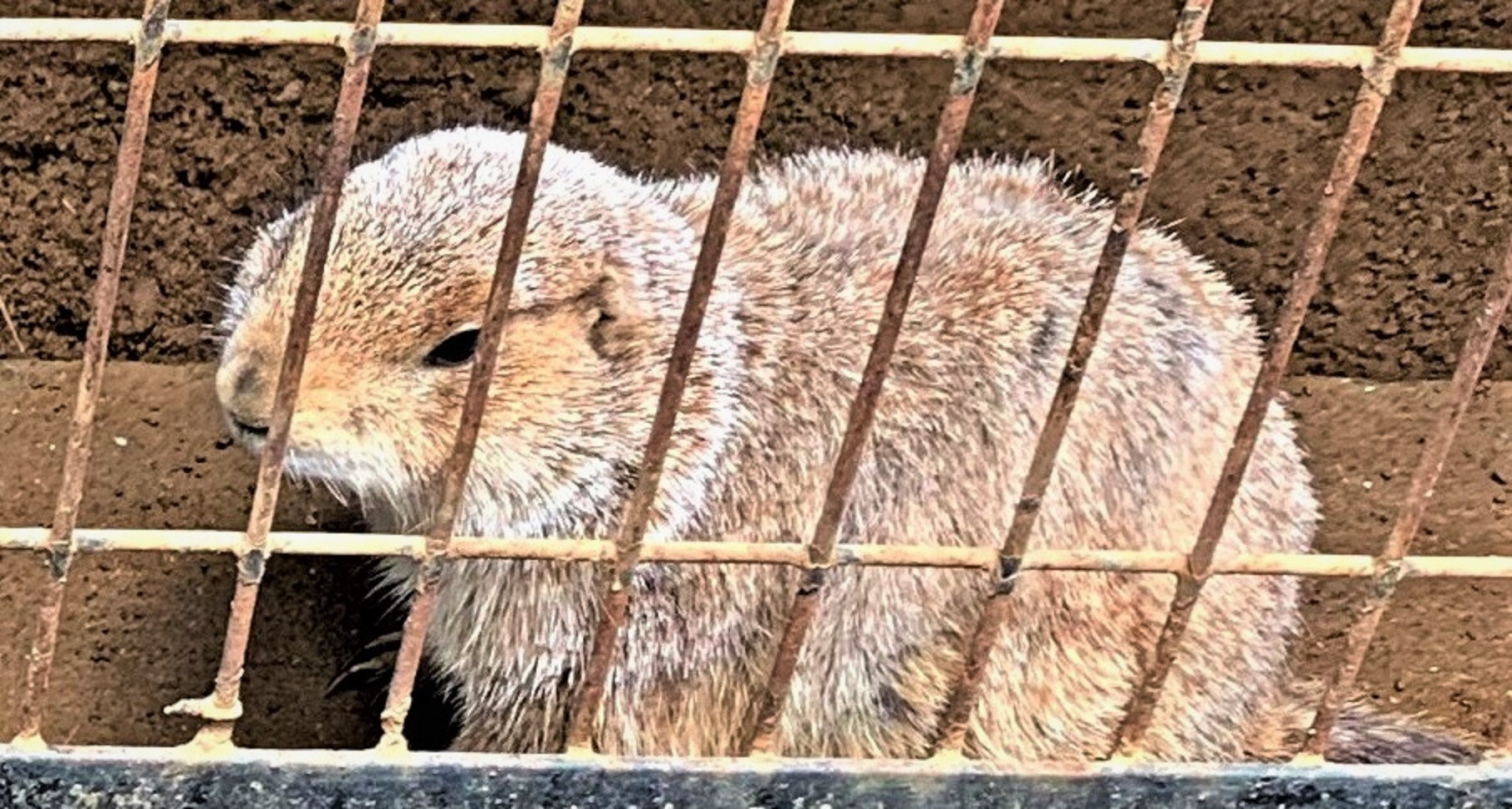
Guinea pigs have a reputation as the gentle classroom animal: small, quiet, cheap to feed. That reputation has stranded a lot of them in Australian laundries and backyard hutches that would fail a basic welfare check. They cannot make vitamin C. They want company of their own kind. They overheat in conditions a kelpie would merely complain about. And a surprising number of general-practice vets have not handled one since university.
Vitamin C is not a bonus topping
Guinea pigs, like humans, cannot synthesise vitamin C. Without a reliable daily source they develop scurvy: swollen joints, a rough coat, reluctance to move, dental pain, poor wound healing, and a pig that simply looks “off”. By the time the signs are obvious, you are already behind.
The everyday fix is food, not a drawer of mystery tablets. Offer a rotating plate of vitamin C–rich vegetables that the household will actually buy every week: capsicum (especially red and yellow), dark leafy greens, parsley in sensible amounts, broccoli leaves and florets, kiwi as an occasional fruit, and other pig-safe produce you introduce one item at a time. Hay remains the bulk of the diet — grass hays such as timothy, oaten or meadow, available all day. A measured, plain guinea-pig pellet that states it contains vitamin C can support the greens, but pellets lose potency as they sit in a warm pantry. Buy small bags, keep them cool and dry, and ignore the giant sack that will still be open at Christmas.
Vitamin C drops and tablets are easy to misuse. Water-drop products degrade in sunlight. Human effervescent tablets are not a protocol. If a pig is already sore or not eating, that is a veterinary visit — ask the clinic which product, if any, they want used. Do not invent a figure from a forum.
Iceberg lettuce, fruit as a meal, rabbit muesli and leftover takeaway are not a diet. Rabbit care in Australia is a different job for a different gut. Sharing a bowl because they “both eat hay” is how one species misses the vitamin the other does not need in the same way.
They need friends. A human is not the same species
A single guinea pig in a pretty cage is a lonely animal. Pigs talk constantly — the wheek at the fridge, the rumble, the teeth chatter that means back off. They sleep in contact. They eat more confidently in company. Isolating one “until we see how it goes” often becomes the permanent plan because the second pig feels like a bigger commitment. It is the commitment. Budget for two from the start.
Same-sex pairs, or a desexed male with females, are the usual stable households. Introductions on neutral ground, with hideys and a willingness to abort the meet, are safer than dumping a new pig in an established cage. If a companion dies, start the search for a compatible friend quickly.
Children should sit on the floor. Guinea pigs have fragile spines. Floor time — a puppy pen, tunnels, a hay pile, supervised time out of the cage — is daily welfare, not a weekend treat.
Heat is the Australian emergency hiding in a “small pet”
Guinea pigs evolved for cooler Andean conditions. They do not pant efficiently. They do not sweat. A garden shed in Penrith, a north-facing sunroom in Adelaide, a parked car “just while I grab milk”, or a hutch against a brick wall that has been in sun since 10am will cook them.
Watch the enclosure, not only the Bureau’s town figure. A balcony cage can be several degrees hotter than the shaded street. Cool the room: interior placement, ceramic tiles, frozen bottles wrapped in towels, a fan that moves air across the space, and water in more than one bowl. Never soak a pig in front of an air-conditioner.
Panting, drooling, bright red ears, wobbliness or collapse means you cool gently and travel. Take the pet first aid kit logic with you: this is transport, not a home protocol. In a Canberra or Ballarat July, balcony pigs still need a draft-free hide and, often, an indoor night.
Floor, bedding and the cedar mistake
Guinea pigs need space on the horizontal, not a tall parrot cage with a tiny footprint. Think large indoor C&C-style grids, a custom run, or a well-built wooden pen with a waterproof base — always with a solid floor. Wire bases cut feet and cause bumblefoot. Height is for hideys and hay racks, not for making a small cage look bigger in a product photo.
Bedding must be absorbent, low-dust and actually changed. Paper-based pellets and fleece liners with a good absorbent layer underneath are the two systems most Australian households can sustain. Fleece only works if you wash it on a schedule that would satisfy a fussy share-house inspector. A sour cage is an ammonia cage, and ammonia is a respiratory injury.
Do not use cedar or fresh pine shavings sold for other animals. Aromatic oils in those woods are a respiratory and skin problem. Do not use clumping cat litter, dusty sawdust from a building site, or essential-oil “fresheners” tipped into a corner. A guinea pig’s nose sits in the bedding. If it smells like a sauna, it is wrong.
Hideys should have at least two exits so a pig cannot be cornered by a companion. Hay should be offered in a rack and on the floor; pigs like to sit in their food. Water bottles fail and freeze; always have a bowl as backup and clean both daily.
Finding a vet who has met a guinea pig
Not every clinic is confident with cavies. Before you need an emergency, ring around and ask, plainly: do you treat guinea pigs regularly, and who is on after hours? Exotic-interested suburban clinics and dedicated exotics services in the capital cities are worth the drive for dentistry and surgery. A pig that stops eating for even several hours is a same-day problem. Their gut is a ferry that has to keep moving.
Dental disease is common if hay has been optional. Slobbery chin, dropping food and weight loss are not “getting old”. Sows that were not desexed can develop ovarian cysts later; that is a clinic conversation. Do not give dog or cat medicines, human painkillers or leftover antibiotics. Do not dose anything. Transport the pig in a secure carrier, keep the car cool, and say when they last ate.
A decent week is hay and water checked twice in summer, daily floor time, a full bedding change, a weigh-in, and a yearly check with someone who knows the species. If that week does not fit the household, do not take the pigs. They are a small herd that happens to live in your house — not a half-term project, and not a single child’s sole job.
People also ask
Do guinea pigs need vitamin C?
Yes. Guinea pigs cannot make their own vitamin C and will develop scurvy without a steady dietary source. Daily vitamin C–rich vegetables are the foundation. Any supplement belongs in a conversation with a vet who treats guinea pigs, not in a guessed tablet from a catalogue.
Can guinea pigs live alone?
They are herd animals and do poorly as a lone ornament in a hutch. A compatible pair or small group, usually of the same sex or with desexed males, is the welfare baseline. A single pig that has lost a companion needs extra human time and a serious plan to introduce a new friend.
How hot is too hot for guinea pigs in Australia?
Once the enclosure is in the high twenties and climbing, you should already be cooling and watching. Guinea pigs handle heat badly. Panting, flopping, drooling or a hot, still animal is an emergency — move them to a cool room and get to a vet. Do not leave a cage in a sunroom, shed or car.