Foods that are toxic to dogs and cats in Australia
Chocolate, xylitol, grapes, onions, macadamias, cooked bones and lilies are the household foods that keep Australian emergency clinics busy. If something has gone down, you ring a vet or the Poisons Information Centre — you do not wait to see.
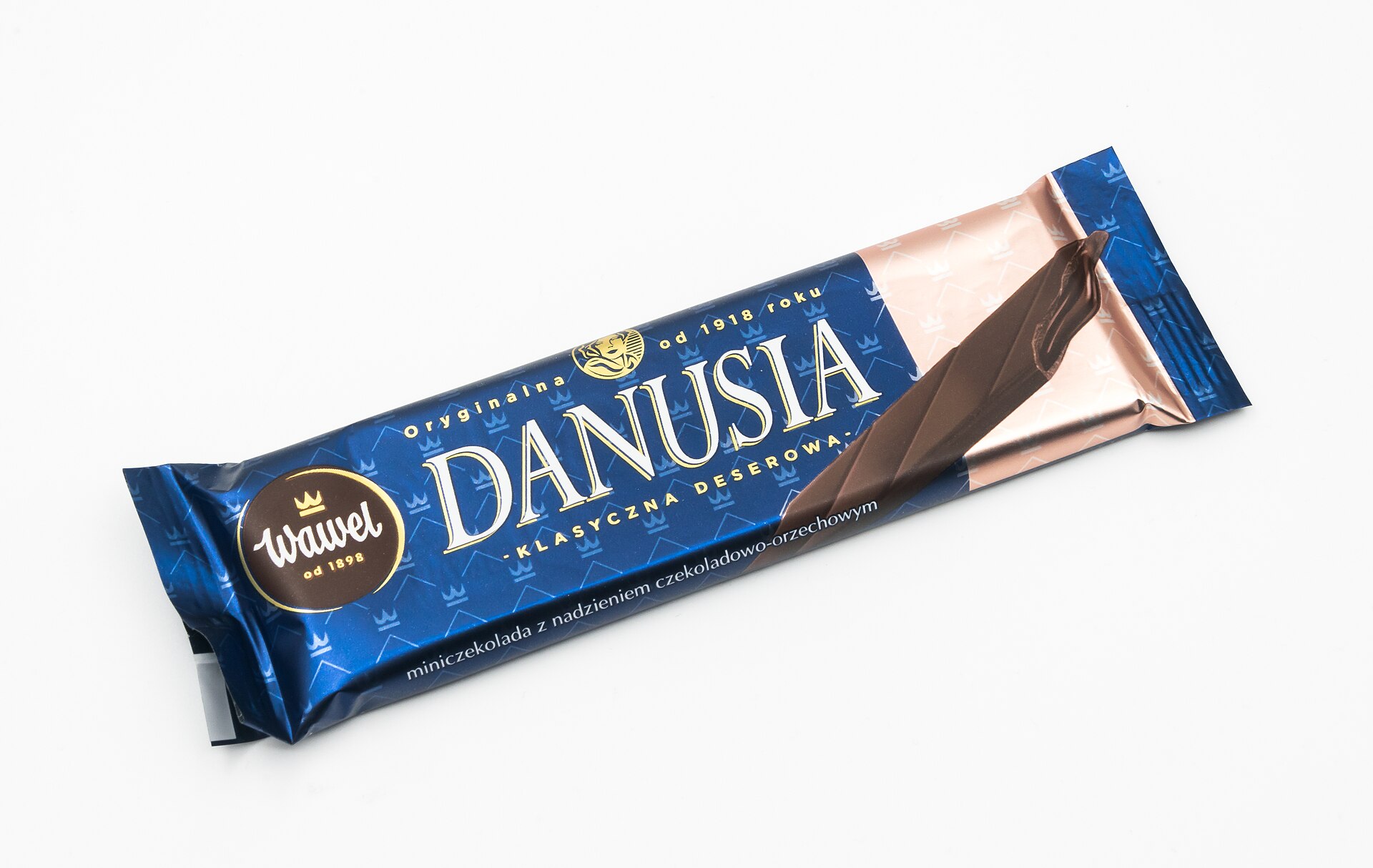
Australian kitchens are generous, and Australian pets are opportunistic. The leftover pad thai, the Easter egg that rolled under the couch, the sugar-free gum in a handbag, the vase of lilies from the service station — none of those look like a crisis until they are. This is a household-awareness guide, not a dose chart. Amounts that matter depend on the food, the species, the size of the animal and what else is going on. The correct next step is always a phone call to a veterinarian or, if you need a poisons specialist, the Poisons Information Centre. It is never a forum poll at midnight.
Chocolate is not a joke and dark is worse
Chocolate contains theobromine and caffeine. Dogs metabolise those compounds slowly. Cats are less often the chocolate thieves, but they are not immune. Baking chocolate, cocoa powder and dark blocks carry more theobromine per serve than a cheap milk Easter bunny — and the cheap bunny still counts. Hot-chocolate mixes, chocolate-coated nuts, and the brownie cooling on the bench are all on the list.
Signs can include vomiting, diarrhoea, restlessness, panting, a rapid heart rate and, at more serious exposures, tremors or seizures. They may not start the minute the wrapper hits the floor. When you call the clinic, have the product wrapper, a guess at how much is missing, the time, and the animal’s weight. Do not make the dog vomit unless a veterinarian has just told you to, and told you how.
Xylitol hides in ordinary Australian products
Xylitol is a sweetener that can cause a sharp insulin release in dogs and a dangerous drop in blood sugar, with liver injury in some cases. It appears in some sugar-free chewing gums, mints, certain dental products, some peanut butters and nut spreads (always read the label; many Australian supermarket butters do not use it, and some imported or “sugar-free” lines do), and a growing list of “low sugar” foods and pouches.
Cats are not the main xylitol story, but a dog that raids a handbag is. The gum that “only had three pieces left” is a classic consult. Do not wait for collapse. A dog that is suddenly wobbly, unusually hungry, vomiting or seizing after access to a sugar-free product is an emergency.
Read labels on anything that says sugar-free, no sugar, or dental. If xylitol or “birch sugar” is there, it is not a dog snack and it is not something to leave in a gym bag on the floor.
Grapes, sultanas, raisins and the fruit mince you forgot
Grapes and their dried forms have been associated with kidney injury in dogs. The frustrating part is that the risky amount is not a tidy number. Some dogs seem to tolerate a steal; some become very unwell after a small serve. That uncertainty is why the veterinary advice is to treat any ingestion as a reason to call, not as a wait-and-see.
Hot cross buns, fruit mince pies, trail mix, and the sultanas in a lunchbox are the Australian seasonal versions. A dog that does Christmas lunch under the table is a dog with access to several items on this page at once.
Onions, garlic, leeks, chives — including the powder
Allium vegetables can damage red blood cells in both dogs and cats, leading to anaemia that may show up a few days later as lethargy, pale gums, faster breathing or dark urine. Fresh onion in a stir-fry, garlic bread, onion powder in a seasoning sachet, chives on a baked potato, and leftover pizza with the toppings scraped off can all count. Baby food used as a pill pocket has caught people out when the jar included onion powder.
“A bit of garlic is natural worming” is folklore and a good way to combine toxicity with a parasite plan that does not work. If you need a worming conversation, have it with a vet.
Macadamias, and the rest of the nut bowl
Macadamia nuts can make dogs weak, trembly, and miserable, often in the hind legs, with vomiting and a raised temperature in some cases. They are a very Australian bowl-on-the-deck problem. Other nuts are a mixed bag: high fat, possible mould toxins, possible pancreatitis, possible xylitol in flavoured mixes. None of them are a required part of a dog’s dinner.
Cooked bones, avocado caution, and the foods people argue about
Cooked bones splinter. They catch in the mouth, pierce or obstruct the gut, and turn a generous leftover roast into surgery. Raw recreational bones are a separate, contested welfare-and-bacteria conversation you should have with your own vet; they are not a free pass, and they are not something to leave a resource-guarding dog to argue over in a share house. The clear household rule is: cooked bones from the Sunday lamb do not go to the dog.
Avocado contains persin. Sensitivity varies by species and by the part of the fruit. Birds are famously at risk. Dogs and cats may have more trouble with the fat load and the stone as a foreign body than with a neat toxin story, but “avocado toast share” is still a poor idea. Do not make it a habit. If a large amount or a stone has gone missing, call.
Alcohol, coffee beans, tea, energy drinks and the chocolate-covered coffee beans in a jar are caffeine-and-alcohol problems. Bread dough that is still rising can expand and produce alcohol in a stomach. Corn cobs obstruct. Stone fruit pits obstruct and may add cyanide-related risk depending on the fruit and the amount. These are all phone-the-vet foods, not “monitor at home” foods.
Lilies, and the cat-specific cupboard
True lilies (and several plants people mean when they say “lily”) can cause life-threatening kidney injury in cats. Pollen on a coat that is then licked, water from the vase, a chewed petal — the exposures are small and the stakes are not. If you have cats, do not bring lilies into the house. That includes the service-station bunch and the funeral leftover.
Other plants and cut flowers cause their own trouble. If you are cat-proofing the home, treat the vase as seriously as the dangling cord. A dog-focused dental treat is not a lily, but while we are in the mouth: human toothpaste can contain xylitol or fluoride at levels you do not want swallowed, which is one reason cleaning a dog’s teeth has its own products and its own technique.
Human medicines are not food and still end up eaten. Paracetamol is extremely dangerous to cats. Ibuprofen and other anti-inflammatories injure dogs and cats. The rule is the same as the food rule: the packet, the time, the amount, the vet. Do not “give a bit more of the opposite thing” to cancel it out.
What to do in the ten minutes after you notice
Shut the animal away from the rest of the food. Take the packet or a photo of the plant. Note the time. Ring your regular clinic or the closest emergency vet. If you need poisons advice, Australia’s Poisons Information Centre is reached on 13 11 26 — tell them it is an animal exposure and follow their instruction to contact a vet. Do not use salt, hydrogen peroxide, or a finger down the throat unless a veterinarian has just directed a specific method for that animal.
Bring the packet to the clinic. Prevention is uglier and more effective: lids on bins, chocolate up high, gum in a zip pocket, lilies not in the house, guests briefed. If it is chocolate, xylitol, grapes, onion family, macadamias, a cooked bone, or a lily and a cat, you are already in a phone call.
People also ask
Is chocolate poisonous to dogs?
Yes. Theobromine and caffeine in chocolate can cause vomiting, restlessness, a racing heart and, at higher exposures, seizures. Dark chocolate and baking cocoa are worse, gram for gram, than a bit of milk chocolate, but no chocolate is a safe treat. Call a vet with the type, the amount and the dog’s weight.
Can cats eat onions?
No. Onions, garlic, leeks and chives can damage red blood cells in cats and dogs. That includes onion powder in leftovers, stock, baby food and “just a bit” of takeaway. A cat that has eaten onion-flavoured food needs a vet, not a wait-and-see night.
What human foods are toxic to pets?
The frequent Australian list is chocolate, xylitol (in some sugar-free gums, mints and other products), grapes and raisins, onion-family foods, macadamia nuts, cooked bones that splinter, and — for cats especially — lilies. Alcohol, caffeine and many human medicines belong on the same emergency list.