Desexing cats in Australia: timing, law and the myths
Desexing is ordinary Australian cat care, with council rules that vary and myths that still wander. Timing, roaming, health at a high level, and why a litter is not cheaper than surgery.
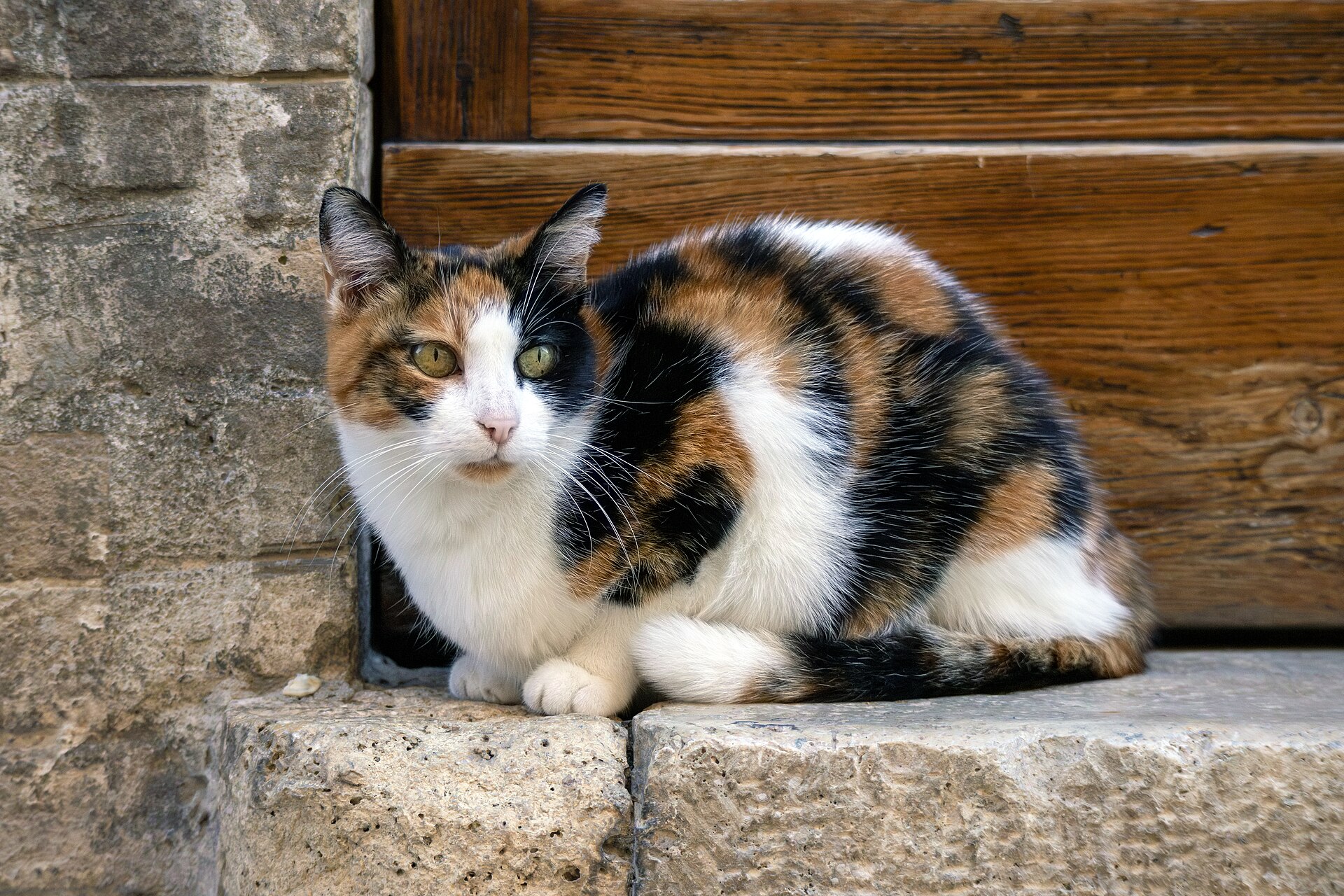
Desexing is one of the least glamorous successes in Australian animal welfare. It is also one of the most argued-over at barbecues, usually by someone whose uncle's tom "was fine". Cats reproduce with an enthusiasm that outruns good intentions. Queens can fall pregnant young. Toms wander, fight and contribute to the next council pickup. The surgery is routine. The myths are durable. The law is a patchwork, which is why a confident sentence that starts with "in Australia you have to" is often already wrong.
This is a high-level guide for households, not a clinic protocol. A registered vet decides whether this cat is fit, when, and how pain will be managed. We will not invent drug doses or tell you to skip the appointment because a neighbour did.
What the surgery is, in ordinary language
Desexing — spey for females, castration for males — removes the ovaries and uterus, or the testes, under general anaesthetic. The animal goes home the same day in most straightforward cases. They need a quiet space, a cone or a recovery suit if they will lick, and a human who can keep them from launching off the fridge. That is the job. It is not a personality transplant and it is not optional folklore if you live in a suburb already drowning in kittens.
Shelters and many rescue groups use early-age desexing. Kittens may be done before they go to a new home, younger than the four-to-six-month mark a lot of private clinics still use for owned pets. Australian vets have been doing this for a long time in the welfare sector because the alternative is a kitten who has a litter in the new laundry. Early-age desexing is a medical decision and a population decision. If your kitten was already done at the RSPCA or a council shelter, that is normal, not a shortcut you need to reverse.
If your kitten is still entire, book the conversation early. Do not wait for the first nocturnal aria. A calling queen is telling the whole street she is ready. A tom who has started to spray is telling your curtains.
Law: council, state, and the exemption that is not your pet
Australia does not run one cat statute. States and territories set frameworks. Local councils set registration, curfews, and sometimes a desexing expectation with a fee structure that punishes delay. Some places want cats desexed as part of being a legal companion animal, with exemptions for people who breed on a register. Some places are still arguing. Some buildings add strata rules on top.
Check the council you actually pay rates or rent in. If you moved from a containment suburb in the ACT or a curfew council in Victoria to a looser patch of regional Queensland, the social pressure may change; the biology does not. Registration and microchipping sit in the same pile of adult tasks. A desexed, chipped, indoor cat is easier to defend when a neighbour is angry. A roaming entire cat is a meeting.
We do not host classifieds and we do not help you become a backyard breeder. If you think you have a breeding queen of genuine value, you need a registered vet, a real understanding of health testing, and a plan for every kitten. Most households do not have that. They have a sweet tabby and a myth.
Health, at the level that belongs in a magazine
Entire females can develop a uterine infection — pyometra — later in life. It is an emergency when it happens. Mammary cancer risk is part of the veterinary conversation about when to spey; the details belong to the vet and the cat, not to a paragraph trying to be a journal. Entire males fight, roam and collect abscesses. Both sexes, left entire and outdoor, contribute to the next generation of cats who eat wildlife and die on roads.
Desexing is surgery. Surgery has risk. Modern practice in a good clinic is boringly safe for a healthy young cat, which is why so many of them skip through it. Seniors, cats with heart murmurs, cats with chronic disease — those are individual anaesthetic conversations. Do not take a Facebook average to a geriatric cat and do not refuse a young healthy cat because you once heard a scare.
Weight after desexing is a management job. The metabolism can shift. The appetite can stay heroic. Measure food. Play. See indoor cats and Australian wildlife for the enrichment half of keeping a now-settled cat from turning into a loaf who only hunts the biscuit jar. Obesity is a welfare problem you can see on the scales.
Pain relief is a vet job. Take it as prescribed. Do not add a human tablet from the bathroom because they "look sore". Cats and human painkillers are a tragic pairing. If the wound looks wrong, if they will not eat, if they are hiding in a way that is new, phone the clinic. That is aftercare, not fussing.
Myths that should have retired with the classifieds
"She should have one litter so she feels complete." She should not. Completeness is not a uterus with kittens in a cardboard box. The litter needs homes that do not exist in the numbers people imagine. Rescue teams can tell you what happens to the cute ones after Christmas.
"Desexing makes them fat and dull." Food and boredom make them fat and dull. Plenty of desexed cats climb doors.
"Males need to feel like males." Males need to not have their face split open in a 2 a.m. fight over a queen three streets away.
"Indoor cats don't need it." Indoor cats escape. Indoor cats call. Indoor cats stress other indoor cats. An unplanned litter in a unit is still a litter.
"It's too expensive." Ask the clinic about the real quote. Ask councils and welfare groups about subsidy days. Then price a litter honestly, or a pyometra surgery, or the council fine, or the weeks of spraying. Desexing wins the arithmetic. If money is the barrier, say so early; many regions run targeted programs. Silence is how kittens end up in a box at a servo.
After the appointment, and the life you are actually choosing
Keep them inside while they heal, which is also a good rehearsal for the indoor or enclosed life that protects wildlife and the cat. Check the wound without turning it into a hobby. Use the cone if they are a surgeon with a tongue. Book the desexing on a day you can be home, not the morning of a flight.
Longer term, desexing is one leg of a stool that also includes containment, identification, and not treating cats as disposable. If you are still thinking about adding a cat, prefer adopting a rescue pet — the animal already exists, and many are already desexed, vaccinated and chipped. That is the grown-up version of the old classifieds ad. The kitten in the cardboard box was never free. Someone always paid.
Timing, law and myths collapse into one household sentence: book the vet, check the council, ignore the uncle. The cat you have will still be themselves on the other side of the anaesthetic — only less determined to write their hormones across the neighbourhood. That is not a loss of character. It is how they get to keep a character for longer, in a country that already has more cats than unclaimed sofas.
People also ask
At what age should I desex my cat in Australia?
There is no single national birthday. Many family vets desex cats around four to six months; many shelters desex earlier so the animal leaves already done. Your registered vet should set the timing for the kitten in front of them, including weight, health and local rules. Waiting for "a season" is a myth with kittens attached.
Is desexing compulsory?
In some local government areas and some states, desexing is expected or required as part of registration, sometimes with exemptions for registered breeders. The rule is not the same in every suburb. Check your council and the current state page rather than assuming the law of a city you used to live in still applies.
Does desexing change a cat's personality?
It does not swap your cat for a different soul. It reduces hormone-driven roaming, spraying and calling, which people sometimes read as personality. A shy cat stays shy. A clown stays a clown. Pain, fear and a boring house change behaviour more than a routine surgery done well.
Is it cheaper to let a cat have one litter?
No. A litter is food, worming, vaccinations, desexing for every kitten you cannot place, and the risk of a caesarean or a queen who does not survive a backyard birth. Rescue networks are already full. The cheap option is booking the surgery and keeping the cat indoors while they heal.