Indoor cats and Australian wildlife: why dusk-to-dawn is not a slogan
Australian cats still hunt when they are well fed. Why dusk-to-dawn is not enough, how catios and council curfews fit, and how to keep the cat's welfare in the same sentence as the birds.
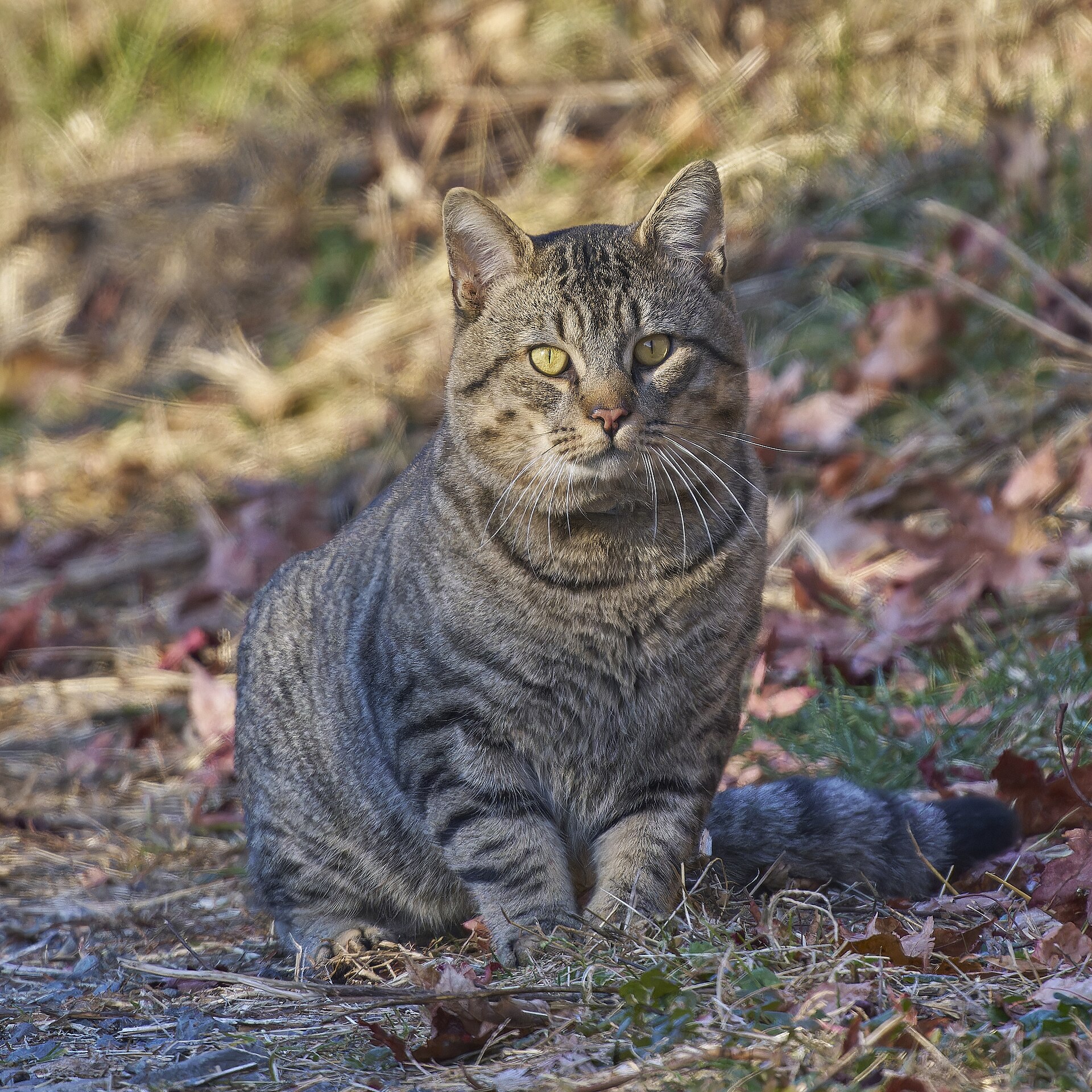
Dusk-to-dawn sounds responsible on a bumper sticker. Bring the cat in when the magpies settle. Let them out when the kids go to school. Australian wildlife does not run on that roster. Wrens, skinks, small mammals and nesting birds work the day. Bandicoots and plenty of lizards work the edges. A well-fed pet cat still hunts because hunting is not a grocery shop. If the conversation about indoor cats is only about the cat, or only about the bush, it fails both.
This is a welfare piece with a native-animal problem attached. It is not a licence to keep a cat in an empty studio with a litter tray and a closed blind. An indoor life that is boring is a different cruelty. The aim is a cat who can stretch their brain, and a garden that is not a snack aisle.
What cats take, even the beloved ones
Cats are good at what they do. They take birds off fences. They take lizards off brick walls. They take baby possums when the timing is ugly. They take introduced rats too, which people mention as if it settles the ledger; it does not, because the same animal is also taking the skink you were proud of. Research in Australia has been blunt for years: pet cats hunt, roaming increases the tally, and night confinement helps without finishing the job.
You do not need a body count on the back step to take this seriously. Some cats are prolific. Some bring nothing home and still eat on the other side of the fence. "My cat doesn't hunt" is a sentence said by people who have not followed the cat.
Roaming also injures cats. Cars. Other cats. Dogs. Snake bites in the warmer states. Abscesses. Getting locked in a neighbour's garage. The wildlife argument and the cat-welfare argument are often the same fence.
Dusk-to-dawn is a start. It is not a philosophy.
Night confinement cuts a slice of hunting and a slice of road trauma. If that is all you can do this month while you save for screens, do that this month. Then keep going. Daytime cats kill. Mid-morning in a suburban Adelaide garden is excellent hunting weather. A "they only sit on the deck" cat is still a cat.
Some councils have gone further: cat curfews, 24-hour containment, registration rules, and limits on how many cats a property can hold. Those rules differ between local government areas and they change after community rows. Check yours. Complying is not the same as doing enough. It is the legal floor.
Two bells on a collar, a bright bib-style device, a brightly coloured sleeve — these can reduce captures for some cats in some studies and backyard trials. They can also snag, annoy, or do very little for a skilled hunter. If your cat still goes out, talk to a registered vet about safe collar design with a breakaway buckle, then still treat devices as a discount on damage, not a cancellation. Do not add gadgets and keep a broken window.
Build the indoor life as if the cat matters
A cat taken off the street or off the fence needs replacement jobs. Play before meals, so the sequence is hunt-then-eat. Wand toys you put away. Cardboard, paper bags without handles, a box that arrived yesterday. Scratching posts that are tall enough to stretch a back, and more than one, because a sofa is also tall. Height: a shelf, a tree, a window perch with a screen that would survive a launch.
Window watching is genuine enrichment if the glass is secure. Bird feeders right against that glass are how you create a television that sometimes ends with a thud. Place feeders, if you must have them, where a cat cannot rehearse murder at sixty centimetres.
Scent, hiding places and a predictable household beat matter more than a second decorative cushion. Two cats need more than twice the trays and more than one escape route. A bored cat will eat house plants, yell at 4 a.m., or teach themselves a door handle. If you need the hazard list, use how to cat-proof your house and then come back to the fun parts.
Desexing belongs in this conversation because roaming and spraying and the next unwanted litter are all outdoor problems with indoor solutions. Desexing cats in Australia covers timing and the local-law patchwork. An entire tom on a dusk-to-dawn honour system is a neighbourhood story waiting to happen.
Catios, enclosures, and harnesses that are not a circus
A catio is an enclosure that lets weather in and wildlife stay out. It can be a small balcony box or a run along a fence line. It needs shade for an Australian summer, rain shelter, water that does not cook, and joins a possum cannot open from outside or a cat from inside. In snake country, think about what else can enter. In cyclone and southerly-buster country, think about what can become a sail.
Harness training is real for some cats and a photograph for others. If you try it, use a harness that actually holds a cat shape, start indoors, and treat the driveway as a wild place. A harness walk is not a substitute for containment if the cat can slip it at the first skink.
Leash-free "supervised" garden time only works if supervision means you could pick the cat up before they leave the block. Reading a book while they are "just in the yard" is how dusk-to-dawn starts early.
Toxoplasmosis, without the panic or the shrug
Cats can shed the parasite that causes toxoplasmosis in faeces, usually for a short window after they first catch it, often from hunting or from eating raw meat. Most people meet this risk through undercooked meat and poor kitchen hygiene as much as through a litter tray. Pregnant people and people with severely weakened immune systems should get medical advice from their own doctor about litter duties and garden gloves. Scoop trays daily. Wash hands. Do not feed raw diets because they sound ancestral unless a registered vet has a reason and a plan.
This is not a reason to dump a cat. It is a reason to keep trays clean and to stop the hunting that also loads other parasites and injuries. Ordinary indoor life with basic hygiene is a very different picture from a roaming cat who toilets in a child's sandpit.
The neighbour, the bush block, and the honest household
If you live beside a reserve, a creek, or a suburban street that still has blue-tongue lizards, your cat is not a special exemption because they have a name. Talk to neighbours before there is a body on a doormat. Offer the plan: indoor at night already, enclosure by spring, screens next pay. Community rows about cats go badly when everyone waits for the first corpse.
If you cannot afford a catio this year, you can still close the nights, fix the windows, play in the evening, and stop putting the cat out because the house is quiet and you want a glass of wine in peace. Their social life can be you. That is allowed to be enough.
Indoor cats and Australian wildlife is not a slogan war. It is furniture, mesh, a calendar, and a refusal to pretend that a full bowl switches off a predator. Dusk-to-dawn is a first fence. Build the rest so the cat has a good day and the wrens have a chance of having one too.
People also ask
Should I keep my cat indoors in Australia?
If you can provide space, play, scratching and a safe outdoor enclosure, indoor or indoor-with-catio life is the kindest overlap between cat welfare and wildlife. Roaming at night is when a lot of hunting and a lot of road deaths happen, but daytime cats still kill. Talk to your council about local rules, then design a life the cat can actually flourish in.
Do indoor cats still hunt?
Yes. Hunting is not a hunger gap you can close with a premium biscuit. Indoor cats stalk insects, toys and, if a window fails, whatever is in the garden. The point of indoor life is to take them out of the food web, not to delete the instinct. Give the instinct toys and timed play instead of wrens.
What is a catio?
A catio is a cat patio — a fully enclosed outdoor run attached to a house, balcony or yard, with shade, water and no gaps a cat or a snake can exploit. It lets a cat sit in weather without sitting in the bush. Poorly built ones fail at the joins; well built ones become the best seat in the house.
Do two bells stop a cat from hunting?
Bells, brightly coloured CatBib-style collars and similar devices can reduce some successful hunts for some cats. They do not make a roaming cat safe for wildlife, other cats, or traffic. Use them as a maybe-helpful extra if a cat still goes out, not as permission to skip enclosure and night confinement.