Cat dental care at home: a calmer Australian how-to
Cats get dental disease too, and they hide it. A calmer Australian how-to on cat toothpaste, what treats cannot do, and when anaesthesia dentistry is the kind choice.
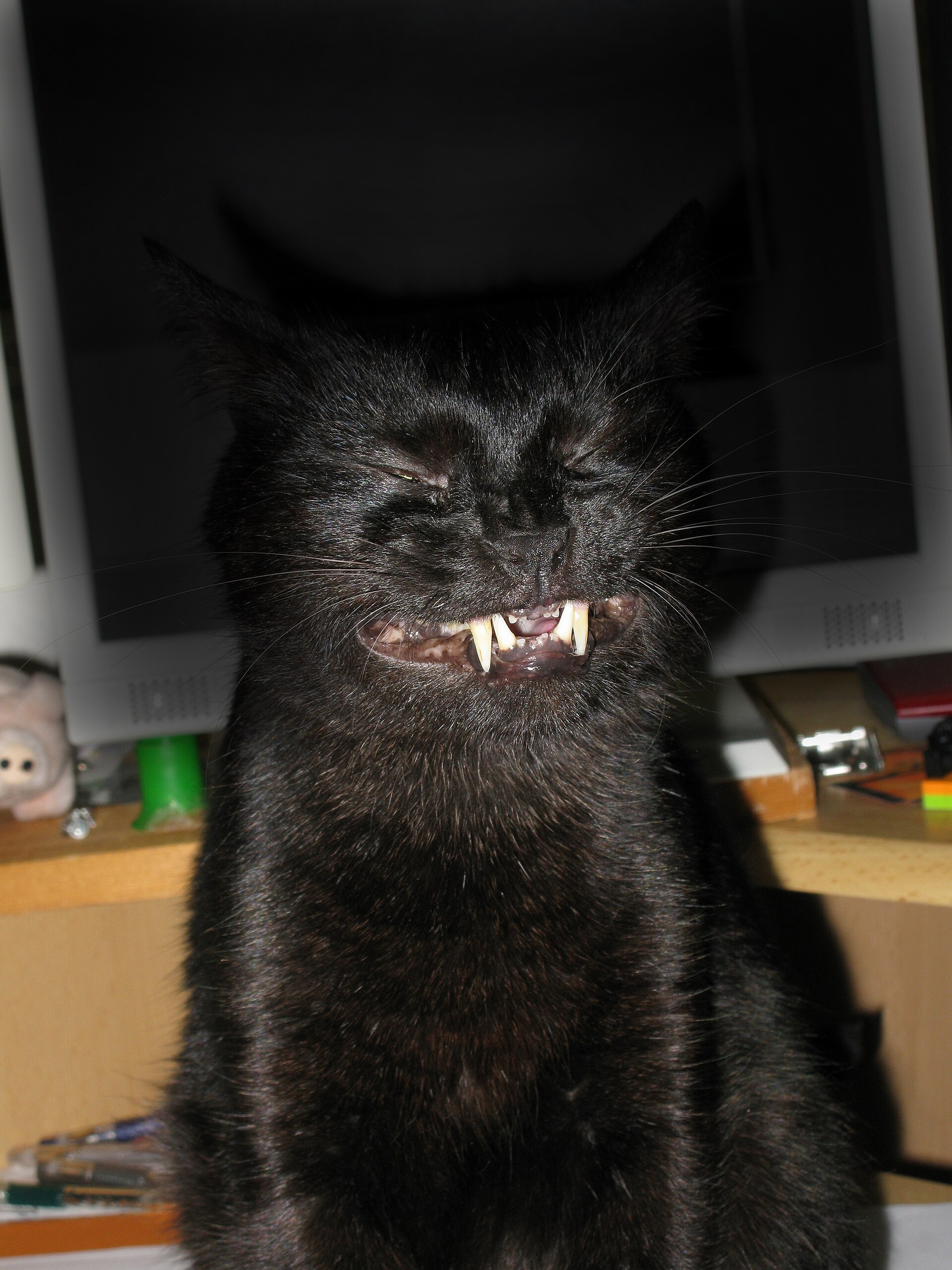
A cat will sit on your chest at 5 a.m. and still refuse you their left upper premolar. Mouths are private. Disease in those mouths is common, painful, and easy to miss because cats go on eating — just slower, just wetter food, just at 3 a.m. when nobody is scoring their manners. Home dental care for cats is possible. It is also easy to turn into a restraint sport that teaches the cat you are not to be trusted near the face. The calmer how-to is mostly about stopping sooner than your ambition wants.
If you already brush a dog, do not import the technique unchanged. Dogs and cats share the idea of plaque and they do not share the politics. For the canine version, see how to clean your dog's teeth. For the money conversation that sometimes follows dentistry, pet insurance in Australia is a separate, unsentimental read.
What goes wrong in a cat's mouth
Plaque becomes tartar. Gums go red and bleed. That is gingivitis, and you may see it when you lift a lip on a relaxed cat in good light: a bright line along the tooth. Left alone, periodontal disease pulls support away from the tooth. Breath changes. The chin may be wet. They may chatter at a bird and then not want the kibble.
Cats also get lesions that eat into teeth. Vets call the common pattern tooth resorption. You cannot diagnose it on the rug. You might notice a cat who suddenly hates having their mouth touched, or who drops food, or who has a bright red spot at the gumline of one premolar. The diagnosis, the X-rays and the decision to extract belong to a registered vet. Home care does not cure a resorbing tooth. It may, in a lucky animal, slow the ordinary plaque on the teeth that are still sound.
Stomatitis — a furious, widespread inflammation — is another vet-level problem. So are broken teeth from a fall or a fight. So is a jaw that hurts because something else hurts. Do not start a brushing program on a mouth that already looks like a war. You will hurt them and you will teach them the wrong lesson.
Toothpaste, and the things you will not put in a cat
Human toothpaste is out. Fluoride, foaming agents, xylitol in some pastes, a mint blast that means nothing to a cat — they swallow all of it. Dog toothpaste is not automatically a yes. Buy a veterinary paste labelled for cats, usually in a flavour that sounds like dinner. A pea-sized smear is a starting texture, not a dose of medicine. If the product is a medicine or a prescription rinse, the vet decides.
Do not invent a home paste. No charcoal. No coconut oil measured from a wellness blog. No splash of chlorhexidine you diluted "by eye". No essential oils, ever, as a mouth idea. Cats and concentrated oils are a bad love story.
Finger brushes, tiny soft brushes, or gauze on a finger are the tools. You are not scrubbing tiles. You are wiping the outside of the teeth you can reach, especially the big ones at the back of the upper jaw, for a few seconds. The inside surfaces are harder and less important on night one.
Teaching a lip lift without a towel burrito
Week one: sit with the cat when they are already sleepy, not when they have just been told off for the blinds. Touch the cheek. Treat. Stop. Week two: lift the lip for one second. Treat. Stop. If they leave, they leave. A trail of paste on a lip they can lick is allowed to be the whole session.
Only when the lip lift is boring do you add gauze. One tooth. End. People fail here by hunting for completeness. Completeness is how you get scratched and how the cat starts living under the spare bed. A little, often, on a mouth that is not painful, beats a monthly rodeo.
If the cat needs to be wrapped, pinned, or chased, stop. Book the vet. Ask whether this mouth is sore. Ask a veterinary nurse to show you a hold that is kind. Some cats will never accept a brush and will still benefit from lip checks, a sensible diet, and professional dentistry when the time comes. That is not your personal failure. That is a cat.
Kittens are easier if you start the day they come home, which is a point we make in the arrival guide. Adults from a yard life may take months. Seniors with existing disease should be examined first, not brushed first.
Treats, diets, and the evidence that fits on a packet
The aisle will sell you crunchy pillows with a tooth on the bag. A few dental diets and treats have trials behind them. Many have texture and hope. If your cat bites the piece and chews, they may get a mechanical wipe. If they swallow it like a tablet, you have fed them. Calories matter; a "dental" snack on a loaf-shaped indoor cat is still a snack.
Water additives exist. Some cats refuse the bowl. Some products are better discussed with a vet than with a label. None of them replace looking in the mouth.
Raw wings as dentistry are an Australian argument that belongs in a clinic, not in a magazine instruction. Bones fracture teeth. Bacteria are not a mouthwash. If someone in the house wants to feed raw, that is a nutrition and hygiene conversation with a registered vet, not a dental shortcut.
Anaesthesia dentistry is sometimes the kindest home care
You cannot scale under a cat's gum on the couch. You cannot X-ray a resorbing root while they sit on a windowsill. A proper dental under anaesthetic is how a vet cleans, charts, extracts what is already lost, and sends you home with a mouth that can heal. People worry about anaesthetic in cats, especially skinny seniors and fat middle-aged indoor cats. Worry enough to choose a clinic that monitors well and is honest about extra extractions. Do not worry enough to leave a painful mouth in a cat's head for another year because they still jump on the bench.
Ask what the estimate includes. Ask about dental radiographs. Ask how pain will be handled afterwards. Then do the home lip lifts so the next year is kinder to the teeth that remain.
If money is the knot in your stomach, say so early. Clinics can stage urgent versus ideal. Insurance, if you have it, has waiting periods and dental clauses that need reading before the emergency, not after. Do not delay a cat who is drooling and not eating because you are ashamed of the bill. Shame does not treat gingivitis.
When you stop home care and go
Book soon if breath has changed, if you see red gums, if tartar is a ledge, if they paw the face, if they drool, if they chew on one side, if they have stopped grooming one patch, if they used to eat dry food and now leave it. Book now if there is bleeding, a swelling, a tooth that looks broken, or a cat who will not eat. Cats slide into liver trouble when they stop eating; a sore mouth is one of the reasons they stop.
Between visits, keep the sessions shorter than your pride. Paste on a lip. A wipe. A look. A note in your phone if one tooth looks different. Australian households are busy; a ritual that survives a Melbourne winter Tuesday is better than a perfect protocol you did once in November.
Home dental care for cats is a calm negotiation with an animal who can leave. Respect the leaving. Use cat-only paste. Do not force. Do not dose. Let a registered vet name the diseases that need names. The reward is not a sparkling advert smile. It is a cat who still wants breakfast, still wants the sunny square on the floor, and does not have to choose between hunger and a mouth that burns. That is enough shine.
People also ask
How do I clean my cat's teeth?
Use a toothpaste made for cats and a very soft finger brush or gauze, and only after the cat has learned that a lip lift predicts a snack rather than a wrestle. Start with a smear on a paw or a lip, then one tooth, then stop. If you need two people and a towel every time, you are past home care and into a vet conversation.
Do cats get dental disease?
Yes. Gingivitis and periodontal disease are common, and cats also develop tooth problems that only a vet can diagnose, including tooth resorption. Bad breath, drooling, chewing on one side or refusing dry food are reasons to book an examination rather than buy a stronger treat. Cats hide mouth pain well.
Are dental treats enough for cats?
They are not enough on their own, and some 'dental' snacks are just crunchy calories. A few products have better evidence than others; none replace brushing or a professional assessment when the gums are already angry. If your cat swallows treats whole, they are not even getting the crunch.
Can I use dog toothpaste on a cat?
Use a product labelled for cats, or one your registered vet has said is appropriate for this animal. Do not use human toothpaste, and do not assume a dog paste's flavour or ingredients will be fine. Cats swallow what you put in their mouths, and they are more chemically particular than the marketing suggests.