Bringing home a kitten: the first weeks in an Australian household
The first weeks are mostly hiding places, litter, sleep and a vet appointment. A practical Australian guide to the kit, vaccinations at high level, other pets, and not leaving a baby cat to run the house.
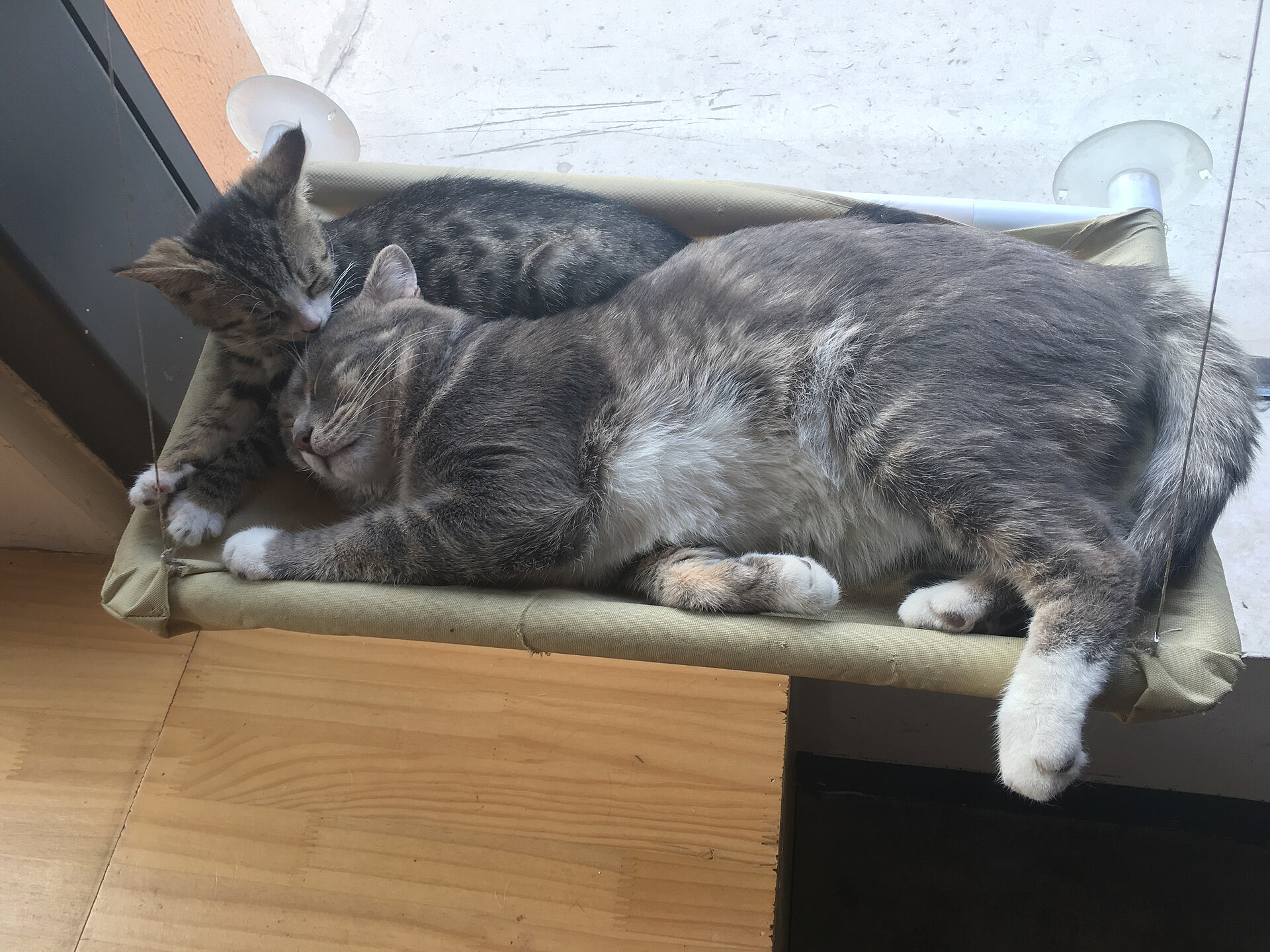
A kitten is a baby with a death wish, a bladder the size of a grape, and an opinion about the gap behind the fridge. You do not need a themed nursery. You need a room that closes, a tray they can climb into, food that will not upset a tiny gut, and a registered vet who has met them before the first disaster.
For hazards, use cat-proofing your house. For desexing, see desexing cats in Australia. Cat dental care at home can wait until they will let you near a mouth.
The room before the carrier
Pick one room that is not the thoroughfare. A spare bedroom, a study, a bathroom if that is what you have and it is not a chemical store. Litter tray in one corner, food and water away from it — cats have views about dining next to the toilet. A cardboard box on its side, a covered bed, a towel that smells like the foster home or the sibling if you were allowed to take one. A scratch post so the carpet is not the first experiment. Toys that cannot be swallowed whole.
Close the room and walk it on your knees. Check the recliner. Check the window. Check the balcony door that "we never open". Australian summers make closed rooms hot; a kitten can overheat in a sun-facing box just as a dog can. Shade, airflow, and a way for you to check them without turning the room into a hallway convention.
Book the vet before pickup day. Take whatever paperwork the shelter, rescue or breeder gave you. If there is no paperwork, that is already a story. Do not collect a kitten from a carpark and invent a vaccine history on the drive home.
The first 48 hours are allowed to be boring
Carry the box in. Open the door of the carrier. Sit on the floor. Let them come out or not. Do not follow them under the bed with a hand like a grabber at a show. Put the tray where they will trip over it. Show it to them once, calmly, as if you are not narrating a documentary.
Eat, sleep, toilet, hide. That is a successful first day. Children can meet the kitten in short, quiet sittings on the floor, hands off the neck, no chasing. Overnight, close the door. A kitten loose in a dark house will find the recliner hinge and the Christmas decorations you forgot in a tub.
Food should be the diet they were already on, changed slowly if you need to change it at all. Sudden swaps make diarrhoea, which makes a small animal dehydrated faster than your patience. If they do not eat for a stretch that worries you — especially a kitten who was just weaned — call a registered vet. Do not force-feed a recipe from a phone. Do not give cow's milk because a grandparent said so; many kittens are done with milk and lactose is a mess.
Water in a heavy bowl. Some kittens prefer a fountain; some fall in. Watch.
Litter, play, and the bite that is still a baby
Most kittens arrive knowing a tray if they were well raised. If they miss, clean without a sermon, then ask whether the tray is too high, too far, too dirty, or next to a rumbling dryer. Unscented clumping or the litter the foster used are better starting bets than a perfumed crystal that smells like a public bathroom. Scoop daily. In a heatwave, scoop sooner.
Play is how they practise hunting so your ankles do not have to be the wildlife. A wand toy before dinner. A few minutes, then food, then sleep. Hands are not toys. If they latch onto a wrist, freeze, redirect to a toy, and end the game if they are overwrought. Tired kittens bite more. So do kittens who have been hauled about like a doll.
Scratching is not optional behaviour. It is how they keep claws and stretch. Give them a post and praise the post. Nail trims can start as paw touches if you are gentle and they are not already done for the day. If you are not sure, ask a nurse at the first vet visit rather than wrestling.
Vaccination, desex, microchip: the timeline without the protocol
Australian kittens typically receive a course of core vaccines against serious viral diseases, starting in the first months, with boosters timed by the vet who can see the animal and the records. Some also discuss cat flu strains, and indoor-versus-outdoor risk. Feline immunodeficiency virus vaccination is a separate conversation that depends on lifestyle and local risk — it is not a DIY yes. Neither is worming or flea prevention. Products that are safe for dogs can kill cats. Take the packet to the vet. Do not dose from a supermarket aisle because the box has a kitten cartoon.
Microchipping is ordinary responsible ownership and, in many places, part of the legal picture with desexing and council registration. Shelters often do it early. Private homes sometimes "mean to". Do it. Keep the database current when you move from a Townsville share house to a Hobart rental.
Desexing age varies between clinics, shelters and local laws. Early-age desexing is common in rescue because it stops the next litter. Your registered vet will talk about the kitten in front of them. Do not delay because a stranger said a cat "needs a season". They do not.
Other pets, heat, and being left alone
Resident cats: keep the newcomer in their room, swap bedding, feed on opposite sides of the door, then use a gap or a latch so they can see without a full-contact row. Go backwards at the first real fight. Resident dogs: on a lead, calm, no "they'll sort it out". A kitten who runs is a toy. A dog with a strong chase record may never be a loose housemate. That is information you needed before the adoption, and it is still information now.
Children need rules you will enforce when you are tired. Sit on the floor. Let the kitten leave. No carrying like a rugby ball. No bedroom shut-ins with a four-year-old "looking after" them.
Being left alone is the question working households dodge. A ten-week-old is not a cat you leave from 7.30 to 6 with a webcam and a blessing. They get their head in a bag, they stop eating, they cry until the neighbour knocks. Take leave if you can. Ask a person to visit. Pair kittens if you can genuinely afford two and introduce them properly — two is not automatically easier, but it can be kinder for the animal if you are out a lot. An older kitten, settled, in a proofed room, can do a normal work day. Build up to it. Phone a registered vet if they stop eating or have diarrhoea that lasts.
Heat is an Australian arrival problem. Do not set the kitten's room in a closed west bedroom in January. Do not leave them on a balcony "for air". Provide shade and water and a cool floor. A limp, hot kitten is an emergency, not a nap.
What success looks like at week three
They come out when you sit. They use the tray more often than your shoes. They have seen the vet, eaten today, and played hard enough to sleep. The household is a bit scratched and a bit more patient. You still close the dryer. You still do not leave the lily bouquet on the table because a guest is generous.
The first weeks are a safety reveal. Get that right and the personality has room to arrive — the lap, the chair, the breakfast talk. They just needed the house to stop trying to kill them while they still fitted in a mug.
People also ask
What do I need before bringing a kitten home?
A closed, quiet room, a litter tray the kitten can climb into, food recommended by the foster carer or a registered vet, water, a hiding box, a scratch post, and a booked vet appointment. Do the cat-proofing before the carrier comes through the door. Toys are lovely; an unsecured balcony is not a detail you can fix later.
When should a kitten be vaccinated?
Kittens usually need a course of core vaccines starting in the first months of life, with timing set by a registered vet and the kitten's actual history. Rescue kittens may already be mid-course; privately bred kittens may have gaps. Bring the paperwork you were given and let the vet set the dates rather than copying a forum schedule.
Can kittens be left alone?
A very young kitten should not be left for a full working day with a food bowl and luck. They get stuck, they stop eating, they make messes they then lie in. Arrange a check-in, a foster-style room-mate, or time off for the first stretch. Older, confident kittens cope with ordinary absences once the room is safe and the tray is obvious.
When can a kitten meet the resident dog or cat?
After the kitten has eaten, toileted and slept in their own room, and after you can do slow, supervised introductions. A resident animal who is already tense needs more time, not a viral video. If anyone is hissing with intent or the dog is too interested, go back a step and get help before someone learns the wrong lesson.