Adopting a rescue pet in Australia: shelters, fosters and the slow yes
Rescue is not a cheaper puppy with a sad backstory. It is a match across pounds, RSPCA branches and independents, plus the real costs that start after you sign.
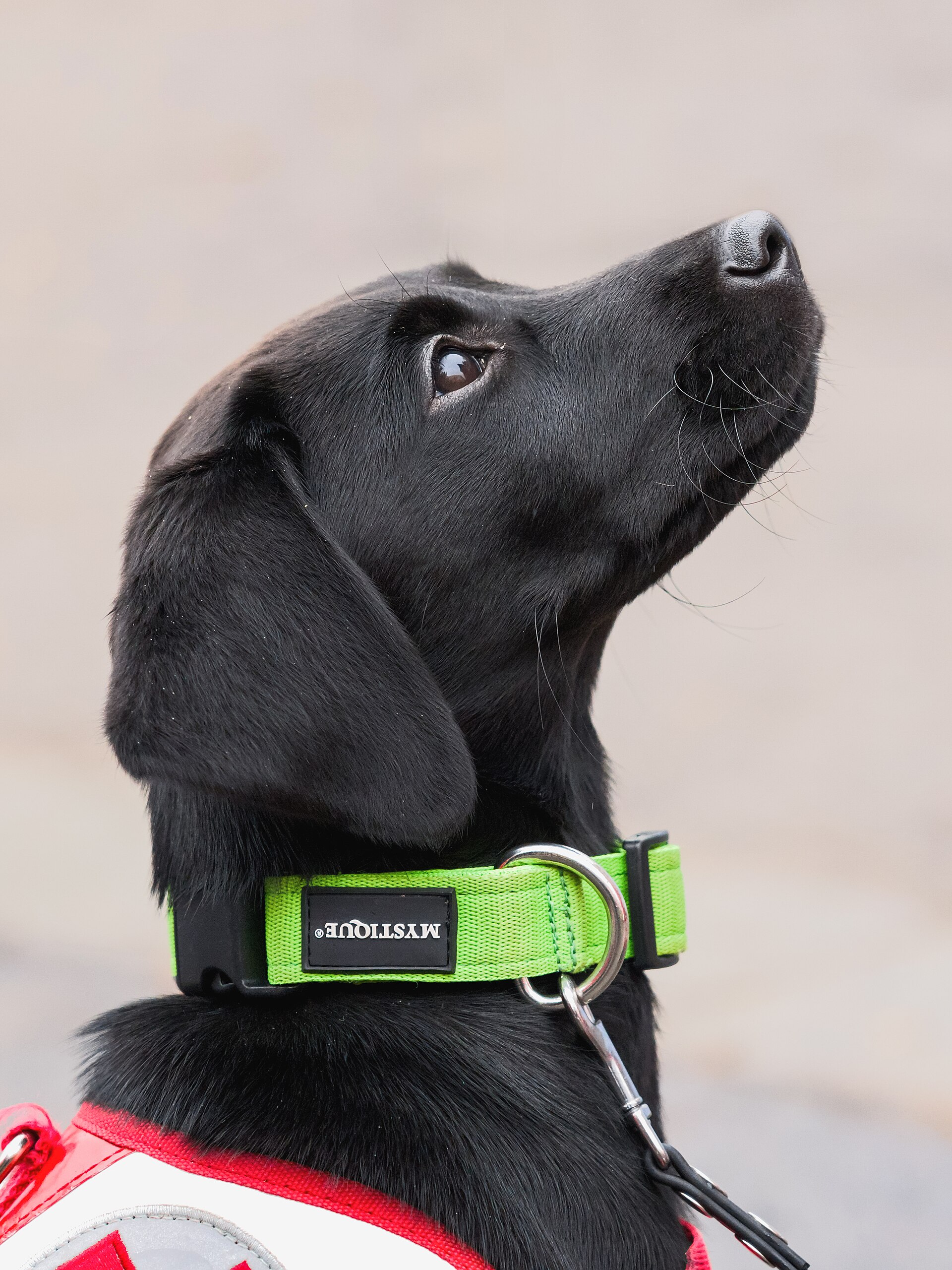
Pets Please once ran free profiles for rescue groups beside the paid puppy ads. That was the better half of the old noticeboard: a kelpie who needed a fence, a pair of bonded seniors, a cat who had to stay indoors. The classifieds era is over. The need is not. Animals still move through council pounds, RSPCA shelters, and small independents that operate out of foster loungerooms and weekend markets.
Adopting well is a slow yes. Impulse is how a working dog lands in a studio, and how a timid cat is sent back because the children were “going to be gentle”. Rescue is not a personality makeover for the owner. It is a responsibility transfer.
If you are still deciding whether a puppy from a litter is even the right door, read how to choose a puppy in Australia first. That piece is about not funding a farm. This one is about taking home an animal who already exists and already has a story.
Pounds, the RSPCA and the independents
A council pound or animal management centre is local government infrastructure. Stray and surrendered animals arrive because a ranger collected them, an owner gave up, or a neighbour finally called. Hold periods apply. Some animals are reclaimed. Some are transferred to rescue partners. Some are put forward for adoption by the council itself. The building can be loud and concrete. The staff are doing a public job with a budget you would not enjoy.
The RSPCA is a set of state and territory organisations, not one shopfront with a single queue. Adoption processes differ. Many branches run shelters and foster networks, investigate cruelty, and do the unglamorous veterinary catch-up that makes an animal adoptable. “How do I adopt a dog from the RSPCA?” starts on your state’s site, with an honest application, and continues with patience.
Independent rescue groups range from tightly run, vet-literate networks to a person with a Facebook page and a good heart. The first kind will ask you as many questions as you ask them. The second kind may hand over an animal in a car park with a story and a hope. Prefer the first. Ask where the group is incorporated, which vet they use, and how returns work.
All three streams can produce a wonderful companion. None of them owes you a puppy-shaped apology for an adult staffy with a scar.
Hold periods and the animal who is not yours yet
When a stray arrives, the law usually requires a hold so an owner can claim it. That period varies. It is the reason a dog you saw on Tuesday is not adoptable on Wednesday, and the reason you should not badger staff to “just let me take him”. Someone else may be searching.
After the hold, medical and behavioural work begins. A cough, a broken tooth, a fear of men in hats — those things take time to see. Groups that adopt too fast create returns. Groups that communicate poorly create rumours. You can ask to be notified when an animal becomes available. You cannot skip the hold because you have already named it.
If you find a stray yourself, the first move is still a scan and a council report, not an instant “rescue” that skips the owner.
Match, not impulse
Write your house down before you browse photos. Hours alone. Fence height. Other animals. Children and their actual ages. Rent and strata. Heat. Whether a cat will be indoor, indoor with a run, or something you have not thought through. Whether you have ever taught a dog to settle.
Then look for an animal who fits the house you have, not the house you might have in two years. A young cattle dog in a small unit is not a moral failure of the dog. It is a planning failure. A cat who hates other cats will not become a trio because the photos were cute.
Meet more than once if you can. Meet in the environment that matters: a foster home tells you more than a kennel aisle, and a walk around the block tells you more than a meet-and-greet in a noisy corridor. Take the whole household who will live with the animal, including the resident dog, in a controlled introduction designed by the group — not a carpark tangle of leads.
Foster-to-adopt exists for a reason. A fortnight in your actual Tuesday can reveal a fence problem, a noise problem, or a perfect fit that a single visit would have missed. Treat a foster trial as a serious contract, not a test drive you ghost.
Are rescue pets cheaper?
The fee is often the bargain. Desexing, microchipping, vaccination and worming may already be done. That is real money you are not paying at a private clinic next week.
The decade is not a bargain relative to a fantasy of “free dog”. You will still buy food, council registration, parasite prevention, training, dental work, and the emergency that does not care how the animal joined the family. Older rescues can arrive with arthritis, rotten mouths or a heart murmur. Puppies from pounds can arrive with parvovirus risk and no house training. Budget as if you were taking on a pet, because you are.
Insurance is a separate, adult conversation. Unknown histories make waiting periods and pre-existing clauses sharper. Read pet insurance in Australia before you assume a policy will cover the limp the foster carer mentioned once.
If money is tight, ask about payment plans and support clinics. Do not adopt as charity you cannot fund past the first bag of food.
What to ask a rescue group
Ask why the animal is in care. Surrender stories are sometimes incomplete; “owner moved” can mean many things. Ask what is documented: vet visits, behaviour notes, bite history, resource guarding, cat test, kid test, escape artist, toilet habits.
Ask who wrote those notes. A foster carer who had the dog for three months has different data from a kennel volunteer who walked him twice.
Ask what the group will do if the placement fails in a month, or in a year. A responsible group wants the animal back rather than on a trading site. If they say “he’s your problem after Tuesday”, leave.
Ask what training they have already started and what they want you to continue. Ask about food, because sudden changes wreck guts. Ask whether the animal must be indoor-only, muzzled on lead, or kept away from livestock. Those conditions are not insults. They are the animal’s user manual.
Ask about returns. A group that never has any is either tiny or not telling you the truth. For cats, ask about indoor history and other animals. For dogs, ask about isolation distress, not only “good with kids”. If notes are thin, see your own vet within forty-eight hours.
Honour the old noticeboard, without the impulse buy
The spirit of those free rescue profiles was simple: give a homeless animal the same public space as a for-sale litter, and let a family choose with their eyes open. That spirit still works as a personal rule. Slow down. Read the whole listing. Visit. Ask. Imagine a wet Wednesday in July, not only the weekend you bring them home.
Tell the truth on the application. A landlord who has not approved a pet is not a detail you paper over with “we’re talking to the agent”. A group that places into a secret rental is not doing the animal a favour.
If you cannot adopt, the slower yes has cousins: foster, transport, washing towels, sitting at a Saturday stall, or walking a kennel dog who does not photograph well. The quiet animals need those hours more than they need another share.
Adopting a rescue pet in Australia is not cheaper love. It is a match made in unglamorous buildings and spare rooms, after a hold period, with questions asked both ways. The RSPCA is one door. The pound is another. The independent foster network is a third. Walk in slowly. Leave with an animal you can actually keep.
People also ask
How do I adopt a dog from the RSPCA?
Start on your state RSPCA’s adoption pages, not on a national rumour. You will usually complete an application, discuss your home, and meet the animal at a shelter or via a foster carer. Many dogs are already desexed, vaccinated and microchipped, or those jobs are part of the fee. Be ready to wait. The right dog may not be the one in this week’s social post.
Are rescue pets cheaper?
The adoption fee is often lower than a breeder’s puppy price, and it usually bundles early vet work that you would otherwise buy. The next decade is not cheaper. Food, registration, parasite prevention, dentistry, training and the odd emergency still arrive. A free or low-cost adult dog with medical needs can cost more in year one than a healthy puppy you planned for.
What questions should I ask a rescue group?
Ask what is known about health, behaviour, and why the animal came in. Ask what happens if the match fails. Ask who has been living with the animal — kennel staff, a foster home, a volunteer walker — and what they see on a dull Tuesday, not only on a meet-and-greet. Ask for vet records in writing. A group that bristles at ordinary questions is telling you something.