How to clean your dog's teeth at home in Australia
Vets often warn that most dogs show dental disease by age three. Here is a calm, practical Australian guide to brushing, chews, and knowing when home care is no longer enough.
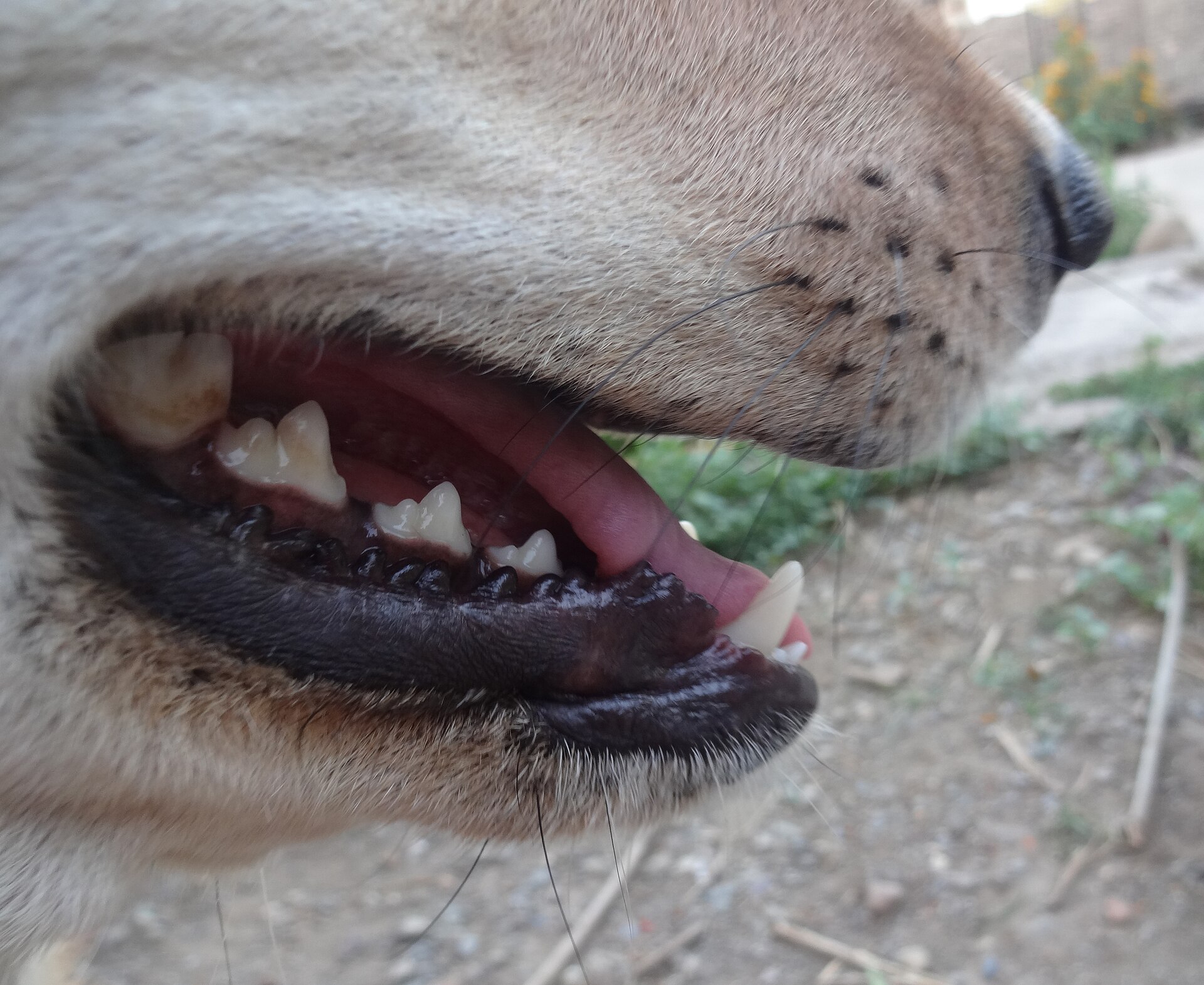
Open a dog's mouth on a Tuesday night in Penrith or Preston and you may smell the problem before you see it. Brown edges. Gums that blush too red. Breath that no longer smells like dinner. Vets often warn that around 80 per cent of dogs have some form of dental disease by the age of three. Whether your dog is in that group is a question only a registered vet can answer. What you can do at home is stop treating teeth as optional furniture.
Done kindly, home care slows plaque that becomes tartar, then gingivitis, then the periodontal disease that loosens teeth. Done badly, it teaches the dog to hide under the bed. The aim is a dog who will let you look, and a clear line for when the vet takes over.
Why dog teeth go wrong so quickly
Dogs do not get a second set of adult teeth. Once the permanent teeth are in, usually by six or seven months, that is the set they keep. Plaque is a sticky film of bacteria. In a warm, wet mouth it mineralises into tartar within a couple of days. Tartar is not just ugly; it props the gum away from the tooth and lets bacteria work down the root. Periodontal disease is the name for that deeper inflammation. It hurts. Dogs are stoic about mouth pain. They will still steal a sausage.
Small and toy breeds — the cavalier, the Maltese cross, the Yorkie that lives on a lap in a Brisbane unit — pack the same number of teeth into a shorter jaw. Food wedges. Hairline crowding becomes a plaque trap. Greyhounds and other sighthounds can have surprisingly terrible mouths even when the rest of them looks athletic. Brachycephalic dogs, the ones with the pushed-in faces, add another problem: crowded, rotated teeth, and a skull that already makes breathing harder. When those dogs need dentistry under anaesthetic, the anaesthetic plan is not a casual extra. It is part of the risk conversation you have with a registered vet.
A two-year-old kelpie on kibble can still grow a brown necklace of tartar along the upper carnassials. A senior staffy with a heart murmur may need bloodwork and a careful anaesthetic plan before anyone scales a tooth. Home care may delay that conversation. It does not replace it.
Start with the mouth you have
Before you buy a brush, look. Lift both lips. Check the back teeth, not just the pretty front ones. Healthy gums are a consistent pink. Teeth should not wear a brown shelf at the gumline. Broken teeth, a gumboil, drooling, pawing at the face, or a sudden refusal of hard food means you stop the home project and book a registered vet.
Bad breath is a clue, not a diagnosis. Do not dose anything from a forum. Do not scrape tartar with a marketplace tool — you can lacerate a gum and you cannot clean below it. If you want a kit for other household emergencies, see our pet first aid kit guide; established dental disease is a vet job. Puppies learn lip-handling as a game. Adult rescues can learn too, with smaller steps.
Toothpaste, brushes, and why human paste is a hard no
Human toothpaste is for humans who spit. Dogs swallow. Many human pastes contain fluoride. Some contain xylitol, which is dangerous for dogs even in small amounts. Buy a toothpaste labelled for dogs, in a flavour they will lick. Use a finger brush, a soft infant brush, or gauze. A circular massage along the outside of the upper back teeth does most of the useful work.
Never invent a dose of anything — not coconut oil from a blog, not human mouthwash in the bowl, not a leftover dentist tablet. If a product is a medicine or a prescription dental diet, a registered vet decides whether it belongs in the house.
How to teach brushing without turning it into a rodeo
Pick a quiet time. After a walk, when the dog is pleasantly tired, beats the 7 a.m. school scramble in a Sydney hallway. Sit on the floor. Let them lick a smear of dog toothpaste off your finger for a few nights with no brush in sight. Then add one second of finger-on-teeth. Then five. Then the brush with paste, one side only. Stop while they are still willing. Pay in praise and a small food reward that will not undo the work — a piece of their regular meal, not a sticky treat that glues itself to the molars.
If your dog freezes or leaves, you went too fast. Some dogs will never love a brush. They still deserve lip lifts, evidence-minded chews, and a professional clean when the vet says the mouth has crossed the line. Daily is the habit vets ask for. Three times a week is a realistic household compromise, and still a different universe from never. Write it on the same calendar as parasite prevention so it survives a Melbourne winter.
Dental chews, toys, and the evidence gap
The aisle is loud. Some chews have published trials showing a modest plaque reduction. Many have a crunch and a cartoon. A chew that shatters, or a weight-bearing bone that can fracture a tooth, is a future extraction. Look for published evidence, then ask whether this dog can use this chew. Supervise gulpers. Dental diets still have to fit the rest of the dog's nutrition — our guide to choosing dog and cat food in Australia is the better starting point than a single "dental" biscuit.
Tennis-ball fuzz can wear teeth down over years of backyard cricket. Look at the teeth. Raw meaty bones are an Australian argument as much as a dental one. If you feed them, talk to a registered vet. Never cook them. Never assume a bone cleaned what you cannot see under the gum.
Anaesthesia dentistry is not a failure of home care
A scale and polish under general anaesthetic is still the only way to clean under the gumline, take dental X-rays, and extract teeth that are already lost causes. You cannot do that on the kitchen floor, and a non-anaesthetic "dentistry" that only buffs the visible tartar can leave disease sitting underneath a prettier tooth.
People worry about anaesthetic, especially in seniors and in flat-faced breeds. That worry is legitimate. It is also why you want a clinic that stabilises the patient, monitors them properly, and is honest about extra costs if X-rays show a root that has to come out. Ask what the estimate includes. Ask whether dental radiographs are routine. Ask how they handle brachycephalic airways. Then decide with the vet, not with a comment thread.
Home brushing after a professional clean protects the money you just spent. A polished mouth left alone films over again.
Pugs, French bulldogs, British bulldogs and the crosses that copy their faces already work harder to breathe. Crowded mouths collect plaque. Keep them lean. Do not add a western Sydney January on top of a painful mouth. Greyhounds and small breeds often need professional care earlier than a fit kelpie. Budget for dentistry the way you budget for registration.
When home care stops and you go to the vet
Go now, not next month, if there is facial swelling, a tooth that is suddenly a different colour, bleeding that is more than a pink toothbrush, difficulty swallowing, or a dog who will not eat. Go soon if breath has changed, if tartar is a visible ledge, if gums bleed when you lift the lip, or if a senior dog has started to chew on one side only.
Take notes: which side, which food they refused. Teeth are not a bother. Between visits, keep the habit small enough to survive night shift and a wet Adelaide winter. Lift the lips. Brush what you can. Leave dosing, diagnosis and extractions to a registered vet. A clean mouth will not make your dog live forever. It will make the years they do live easier to eat through.
People also ask
How often should I brush my dog's teeth?
Daily brushing is the gold standard most Australian vets recommend, because plaque starts to harden within a day or two. A few times a week is still far better than never, especially if you pair it with a dental check at your regular vet visits. Build the habit slowly so your dog learns to tolerate the brush rather than dread it.
Can I use human toothpaste on my dog?
No. Human toothpaste often contains fluoride, xylitol or foaming agents that are unsafe if swallowed, and dogs cannot spit into the sink. Use a veterinary toothpaste made for dogs, in a flavour they will actually lick. If you are unsure which product is appropriate, ask a registered vet or veterinary nurse before you start.
At what age do dogs get dental disease?
Vets often warn that a large share of dogs already show some periodontal disease by three years of age, and small breeds can show tartar even earlier. Puppies lose baby teeth around four to six months, which is a useful window to start gentle handling. Adult disease can appear at any age if plaque is left to sit along the gumline.
Do dental chews replace brushing?
Chews and dental diets can help some dogs mechanically scrape plaque, but they are not a substitute for brushing or for professional dentistry when disease is already present. Look for products with published evidence rather than a cartoon smile on the packet. If your dog gulps chews whole, skip them and talk to your vet about safer options.