Queensland dog breeder register: what buyers and breeders need to know
Queensland asks many dog breeders to register and to use a supply number. A plain-English guide for buyers and breeders, and a reminder that the current Queensland Government rules are the ones that count.
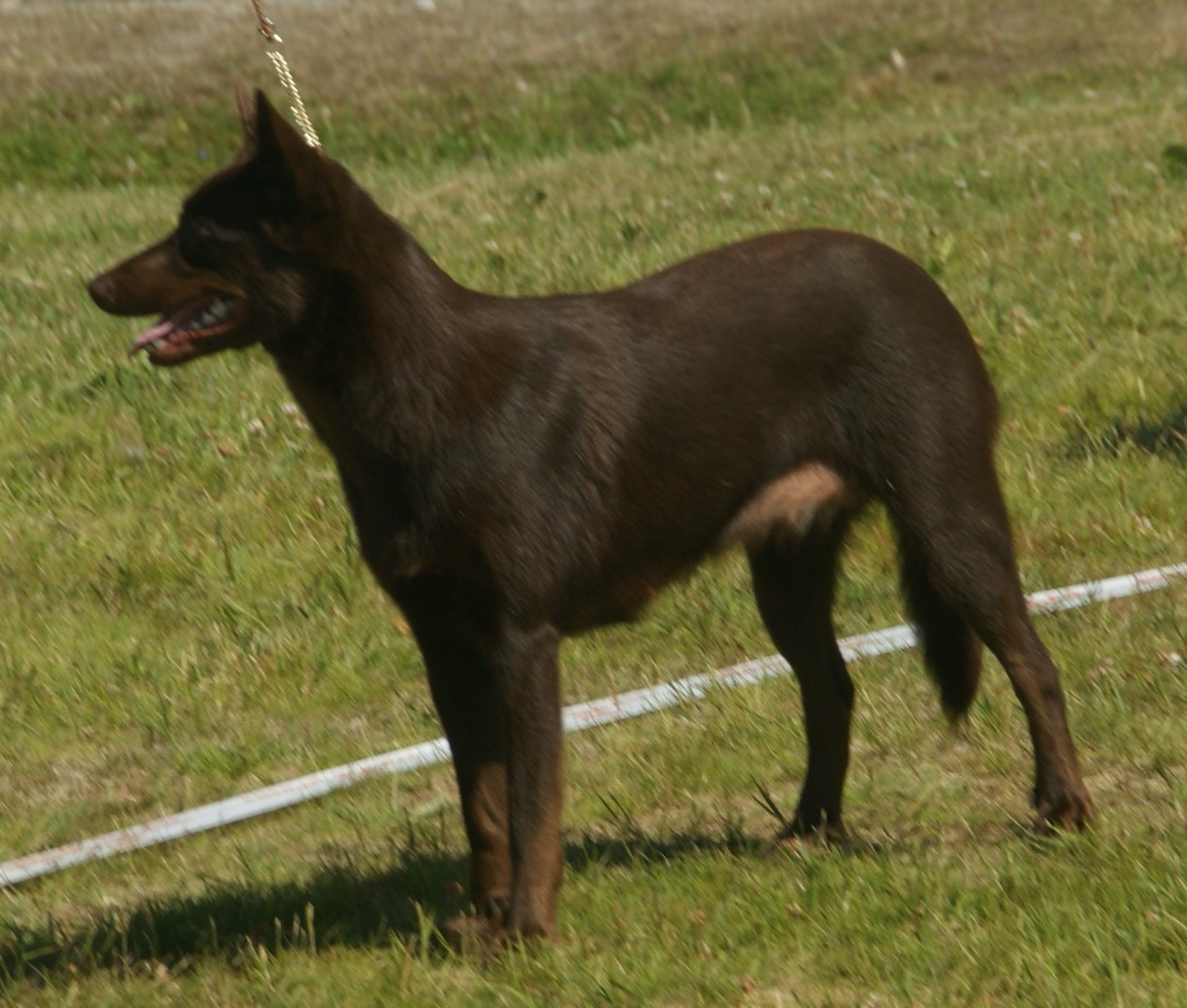
Queensland did something the rest of the country still argues about: it built a public register so that people who breed dogs can be found, and so that a puppy can carry a number back to the person who supplied it. That is not a romance. It is traceability, sitting in the broader animal management framework that also covers cats, menaces, and the ordinary suburb of barking complaints. If you are buying a Queensland-bred dog, the register is one of the few tools you have that is not a Facebook vibe. If you are breeding, it is not optional folklore. It is a government process with a website that wins arguments.
This piece stays at a high level on purpose. The Animal Management (Cats and Dogs) Act 2008 (Qld) and the regulations under it have been amended, explained, and argued over for years. Pets Please will not pretend a magazine article is your lawyer, and we will not quote clause numbers as if they never move. Check the current Queensland Government dog breeder register rules before you advertise a litter, take a deposit, or tell a buyer that "one litter doesn't count". Then use the register as a buyer the way you would use a licence plate: useful, incomplete, better than nothing.
What the register is for
Councils in Queensland already deal with the dog in front of them: registration, microchips, declared dangerous dogs, attacks. Breeding is a supply-chain problem. Pups move. They cross local government boundaries. They get sold from a mobile number that expires. A breeder register, and the supply number that travels with the dog, is an attempt to keep a thread between the animal and the person who put them into the world.
That helps investigators when a litter is sick, when a microchip trail goes cold, or when the same property keeps producing "accidental" puppies. It also helps a careful buyer ask a boring question that should have a boring answer: what is your breeder registration, and what is the supply number for this dog?
It does not tell you whether the mother was loved. It does not score the whelping box. It does not replace the work in how to choose a puppy in Australia. Think of it as a seatbelt. You still have to look at the road.
Buyers: how to use the number without being a detective
Ask early, in writing. "Are you registered on the Queensland dog breeder register, and what supply number will this puppy carry?" A person who breeds as a small, proud hobby should be able to answer without a speech about government overreach. A person who changes the subject to coat colour is giving you data.
Search the public register yourself. Do not accept a screenshot from 2019. Names change. Numbers get quoted from memory. If the litter was bred in Queensland and the seller says they "don't need to be on there", ask them to show you the current exemption they think they have. Then go and read the current Queensland Government page anyway. Historical chatter — including older advice that people had a short window, often talked about as 28 days after a first litter, to get themselves on the books — is exactly the sort of thing that goes stale. Treat every pub timeline as a prompt to check the live rules, not as the live rules.
The supply number should appear in the documents you take to your own registered vet. When the puppy is microchipped and vaccinated, take the paperwork in and ask the clinic to help you see whether the story is consistent. A vet cannot certify that a breeder is kind. They can help you notice a chip that does not match a form.
If the seller is interstate, the Queensland register may not be the tool that applies to them. A New South Wales or Victorian breeder is under a different stack of laws. What you still want, everywhere, is a mother you can meet and a property you can stand on. The register is extra when the pup is a Queensland pup. It is not a substitute for geography.
Watch for the classic workarounds. "The breeder is my cousin, I'm just rehoming." "We found them." "The mum is at another property." Sometimes those sentences are true. Often they are how a farm keeps its name off your search. If you cannot name the breeder, you cannot search the breeder.
Breeders: treat it as part of the whelping plan
If you live in Queensland and a litter is a live possibility — planned or the consequence of a fence and an intact male — look up the current obligations before the pups have eyes open. Registration, renewal, the way supply numbers are issued, and what must be given to a new owner are government questions. So is whether you are still a "breeder" in the legal sense after one surprise litter. Do not let a Facebook group vote on that.
Keep records as if someone polite will ask for them in two years. Dates. Microchips. Who collected which pup. The number that went with them. Buyers who care will ask. Authorities who care will ask later, when it is less convenient.
Registration is not a marketing badge. Do not advertise yourself as "government approved" as if Biosecurity Queensland sat in on the mating. They did not. You are findable. That is the point. The ethical work is still on you: health testing relevant to the breed, honest conversations about airways and behaviour, taking dogs back, not producing volume because the school fees are real.
If you cannot meet those ethical floors, do not breed. Desex, fence, and let the register stay a page you do not need. The cheapest compliant litter is the one that never happens because two dogs were managed like adults.
Other states are not Queensland with a different jersey
New South Wales, Victoria, South Australia, Western Australia, Tasmania, the Territory and the ACT all have their own mix of council registration, breeding licensing, puppy-farm statutes and traceability projects. Some have moved hard on commercial breeding. Some still leave a lot to local laws and to consumer affairs after the fact. If you are buying across a border, you do not get to import Queensland's public register as a feeling. You get the rules of the place the litter was born, plus whatever your destination council wants when you get home — microchip, registration, declared-dog rules, and in some buildings a strata by-law that does not care about your supply number.
That patchwork is irritating. It is also the reason a single national rumour goes wrong. "You have to wait 28 days" might be a memory of an older Queensland explanation. It might be nothing in the state you are standing in. Check the current Queensland Government dog breeder register rules if the dog is Queensland-bred. Check the current rules of the other state if it is not. Then still meet the mother.
What the register cannot do for you
It cannot inspect every shed. It cannot hear a pup scream. It cannot stop a well-registered person from being a poor stockperson. It cannot make a designer-cross price into a welfare outcome. Used lazily, it becomes a tick box on a bad sale: "they're on the register, so it's fine." Used properly, it is one more reason a ghost seller fails a five-minute search.
Pair it with the ordinary defences. See the mother. Read health tests. Take the pup to a registered vet in the first days. Walk away from carparks. Prefer rescue when a dog who already exists would fit the house.
Queensland's register admits that puppies are a trade. Trades need invoices. If you are in that trade, even once, behave like someone who can be found. If you are buying, insist on being able to find them.
People also ask
Do I need to register as a dog breeder in Queensland?
If you breed dogs in Queensland you should assume registration may apply and check the current Queensland Government dog breeder register rules, not a mate at the pub. Thresholds and exemptions have been debated and updated over the years. Treating "it was just one litter" as a legal strategy is how people meet Biosecurity Queensland with the wrong paperwork.
How do I check if a QLD breeder is registered?
Use the public Queensland dog breeder register on the Queensland Government website and search the name or number the seller gave you. If they cannot produce a registration or a supply number and the litter was bred in Queensland, treat that as a reason to slow down or walk away. A listing is not a welfare star rating — it is a traceability tool.
What is a supply number?
A supply number is the identifier Queensland uses so a dog can be traced back to the breeder who supplied it. Buyers should see it in the paperwork that travels with a Queensland-bred puppy or dog. If the seller shrugs when you ask, you are not looking at a complete sale, whatever the coat colour.
Does registration mean the breeder is ethical?
No. Registration means the state can find them. It does not grade temperament testing, housing, or how many litters a bitch has had. You still need to meet the mother, read health tests, and use the ordinary puppy-farm defences. Paperwork is the floor, not the ceiling.