Taking your dog to work in Australia: how to do it well
A dog at the desk is a privilege, not a personality. How Australian workplaces, allergies, WHS and public transport actually fit together when you want to bring a dog to work.
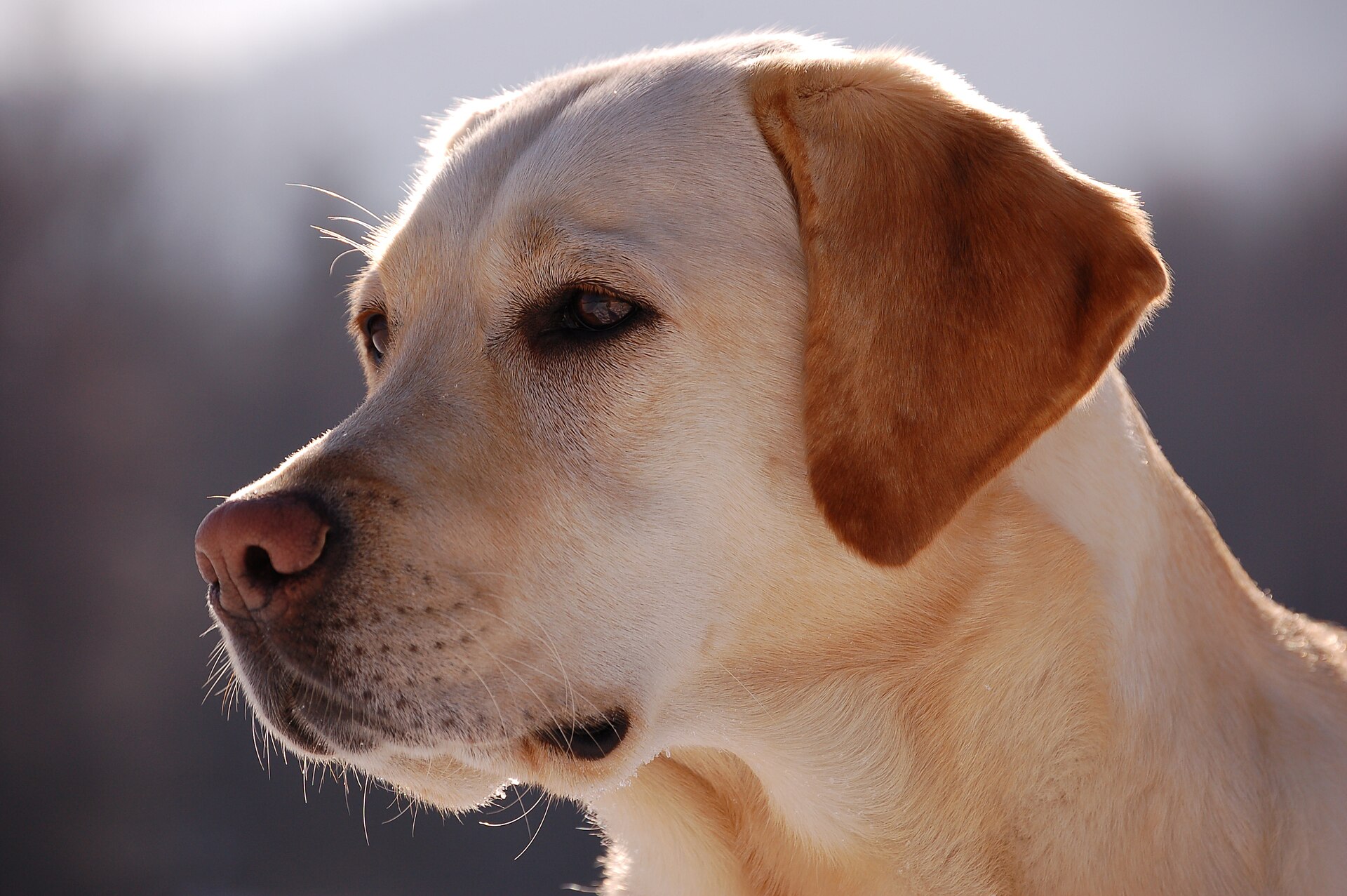
There is a photograph that does the rounds every spring: a golden retriever under a standing desk, captioned as if this were national industrial policy. It is not. Taking a dog to work in Australia sits on policy, allergies, childcare, work health and safety, and a commute that may involve a tram of people who did not volunteer to meet your kelpie. Done well, it is one of the kinder things a workplace can offer. Done as a surprise, it is how you meet HR.
This is for ordinary companion dogs, not assistance dogs, who have their own legal pathways. Everyone else starts with a sentence that should be embroidered on a lead: ask first, in writing.
Policy is the door. Charm is not.
A manager who likes dogs is not a policy. You want something written that covers which roles and sites are eligible, how to apply, what happens if a colleague objects, who is liable if the dog knocks a visitor, and which days are dog days. Some workplaces trial it on Fridays. Some cap the number of dogs on the floor. Some ban them from meeting rooms, kitchens and the reception sofa that costs more than your couch at home.
Expect a no in childcare, aged care, consult rooms, commercial kitchens, labs, and many food shops. Factories with moving plant are a bad idea even if the site dog of 1987 is folklore. Outdoor roles still fail a WHS look: heat, traffic, a dog tied to a ute while you climb a roof.
If the written answer is no, that is the answer. If it is yes, treat it as revocable. One bite, one boardroom accident, one dog left in a hot carpark, and the privilege dies for everyone.
Allergies, fear, and the people who do not work for your dog
A workplace is full of people who did not adopt your dog. Some have asthma. Some have a genuine phobia from a childhood bite. Some wear clothes that cannot go home covered in hair because they are on a client visit at four. A good policy lets those people work without negotiating their lungs at the kitchenette.
Keep the dog off shared sofas. Wipe the desk. Do not set up a bed in the only quiet nook. If someone asks you to take a different route to the bathroom, take the different route without a speech about how "he's never hurt anyone". Never let a dog rush a new starter, a courier, or a child on a take-your-kid-to-work day. If the business has a crèche or regular family visits, assume dog days and child days need a grown-up timetable.
Cultural and religious attitudes to dogs vary. You need spatial manners so a colleague can work without contact they did not choose.
WHS is not a vibe
Work health and safety law in Australia does not vanish because the hazard is cute. A dog is a trip hazard in a narrow aisle, a bite hazard if startled at a printer, a hygiene hazard in a lunch room, and a welfare hazard if you forget they cannot regulate a glass-box office in a Perth February. You are responsible for supervision every minute they are on site. "They'll be fine under the desk" is not a control measure if you then take a two-hour client call with headphones on.
Think through the boring list. Where does the dog toilet, and who cleans it? Is there a secure place if a fire drill empties the building onto a busy street? What happens in a medical emergency for a person — does the dog panic and become a second problem? Can the dog be contained while cleaners come through?
Write the plan down. If you cannot leave a meeting to toilet the dog, they should not be there that day.
Not every dog is an office dog
The internet is full of dogs who "just chill". Plenty of Australian dogs do not. A young working breed in a studio of twelve people and a smoke alarm is not "getting socialised". They are practising alert barking. A recently adopted rescue still learning house manners is a poor candidate for an open-plan floor in Collingwood. A dog with a fragile recall, a habit of resource-guarding sandwich crusts, or a history of fence-fighting should stay home.
Good office dogs can settle on a mat for an hour, take a treat gently, ignore dropped food more often than not, and walk past other dogs without a scene. They are housetrained. They are not in pain — a sore hip makes a snap more likely when someone steps over them. They cope with lifts, automatic doors and the shriek of a milk frother. If that list feels optimistic, believe the list.
A puppy cannot hold on all afternoon. A senior may love the company and hate the floors. If the commute crosses a Townsville car park at 2 p.m., read keeping dogs safe in Australian heat before you ask HR. Apartment dogs who already have lift manners and a toilet schedule sometimes transfer well — see apartment living with dogs.
The kit: crate, mat, and a commute that is legal
Pack as if the office has nothing. A mat or fold-down crate the dog already likes. Water. Bags. A chew that does not stain beige carpet. Food if you will be out across a meal. A familiar towel for the lift home if a spring storm turns Newtown into a river. Keep their bed out of walkways.
Trial the commute before the first full day. Public transport rules for pets are a patchwork. Sydney trains, Melbourne trams, Brisbane buses and Adelaide Metro each publish their own conditions, and they change. Some services want a carrier. Some allow a dog on a lead at quiet times. Taxis and rideshare are at the driver's discretion unless you are travelling with an assistance dog. Drive if the public option is a maybe. Never leave the dog in a parked car "for a few minutes" while you collect a pass — Australian car parks are how dogs die in ordinary weeks, not just on the news.
If you drive, plan shade and a backup if a meeting overruns. If you walk, plan a toilet stop that is not the office fig tree.
A first-week plan that does not ruin Friday
Do a short visit on a quiet day. Let the dog sniff, toilet, settle, leave. Do not debut them during a pitch. Tell nearby desks in advance, including the people who work with headphones and will otherwise stand on a tail.
Set a toilet rhythm and keep it, even if you are "in the zone". Mid-morning and lunch are not optional because you are on a deadline. If the only grass is a median strip, still pick up the poo. Neighbours of office parks have opinions.
Work is still work. A dog who needs constant narration is a second job. If you find yourself leaving meetings, apologising for barking, or becoming the unofficial dog-minder for a colleague who "just brought theirs too", the experiment has failed. Take them home. Try again in six months, or admit this dog's best workplace is the house.
Australians eat at desks. A dropped meat pie is a moral event for a staffy. Train leave-it at home. Do not let visitors feed the dog.
When the kind answer is leave them at home
Some weeks the kind answer is a walker, day care you have actually inspected, or you working from home. The office does not owe your dog a social life.
Done well — policy first, dog second, colleagues always — a workplace dog can be a small civilising force. People walk at lunch. You leave on time because the bladder in the crate is honest. Those outcomes still depend on you being the least chaotic person in the story.
People also ask
Can I take my dog to work in Australia?
Only if your employer has a written policy that allows it, and only if that dog is a good fit for the room. There is no general legal right to bring a pet to work. Assistance dogs are a different category with their own rules. Ask before you turn up with a labrador and a hopeful smile.
What workplaces allow dogs?
Some tech offices, design studios, certain retail floors and a handful of outdoor or warehouse sites say yes, usually with conditions about size, behaviour and days of the week. Childcare, clinical spaces, commercial kitchens and many public-facing counters say no for hygiene or safety reasons. The answer lives in the policy, not on social media.
How do I prepare my dog for an office?
Practise settling on a mat at home, toileting on a schedule, and ignoring dropped food long before the first commute. Do a short trial on a quiet day rather than a product launch. If your dog paces, barks at the kettle or cannot hold on for a few hours, they are telling you the office is not their job.
Are dogs allowed on Australian public transport?
Rules differ by city and by operator. Some trains and ferries allow small dogs in carriers; some allow larger dogs off-peak; many buses are stricter. Assistance dogs are treated separately. Check the current conditions for your route the week you travel, because a peak-hour Sydney train is not the place to discover a ban.