Moving house with pets in Australia: a week-by-week plan
Moves lose cats in trucks, overheat dogs on freeways, and leave microchips pointing at the old rental. This is a practical timetable from two weeks out to the first quiet night.
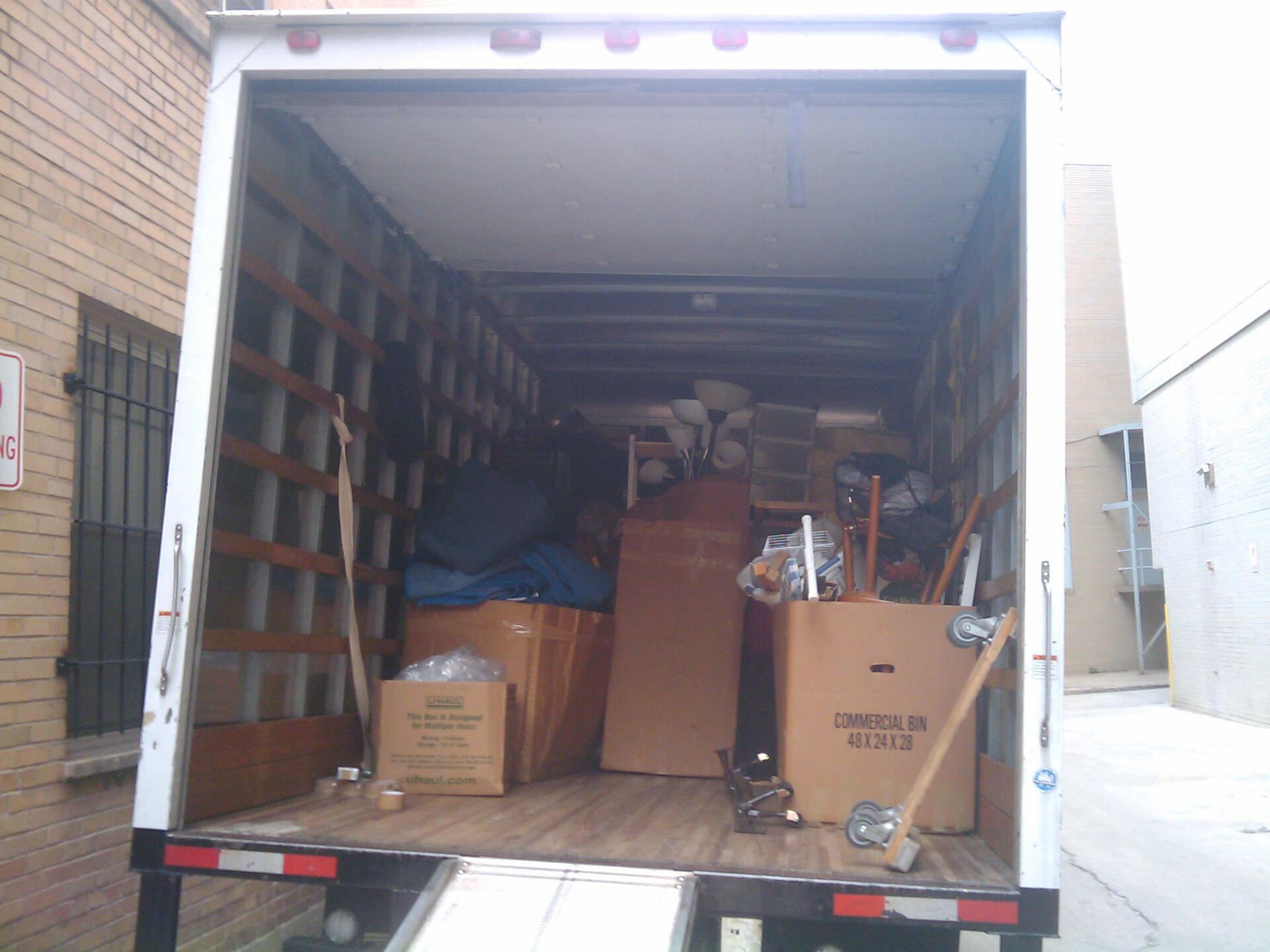
A household move is already a pile of cardboard and bad tea. Cats climb into wardrobes that are about to be lifted onto a truck. Dogs bolt when a front door stays open for a mattress. Everyone underestimates Australian heat in a parked car “for a minute”.
This is a week-by-week plan, not a personality test. Lock the animals out of the chaos on purpose.
Two records have to move with you: the microchip database and the council registration. We set out the legal half in microchipping and council registration. This piece is the physical half — carriers, nights, freeways, and the first week when the new house still smells like someone else.
Two weeks out
Confirm how the animal will travel. Cats and most small pets go in the cabin of a car, in a rigid carrier, with a towel that already smells like home. Dogs may ride belted to a harness, in a crate, or with a barrier. Nobody rides loose in a tray. Nobody rides in a removal truck “because they’re chill”.
Book the vet if you are due for anything that would be miserable to miss on the road: parasite prevention, a nail trim for a dog who will be on unfamiliar floors, a health check if you are crossing a long distance. If you think your dog cannot travel without medication, this is the week to ask, not the morning of the move. A trial dose on an ordinary Tuesday tells you more than a hopeful tablet at 6 a.m. on moving day.
Start packing the animal’s kit into one labelled box you will not load early: food for several days, bowls, lead, litter and tray, medications, vaccination card, chip number, a familiar blanket, enzyme cleaner, and a spare collar tag with the new mobile if you already have it. Buy a second tag as soon as the new address is real.
Walk the new property if you can. Find the room that will become the safe room: a study or bedroom with a closable door, a window that is actually secure, and no fireplace the cat can vanish up. For dogs, find the fence line with your hands, not from the listing photos. For cats you intend to keep indoors — and in much of Australia that is the kinder plan for wildlife as well as for the cat — decide the indoor layout before the sofa lands in the wrong place. Indoor cats and Australian wildlife is the longer argument. Moving day is a terrible time to invent a cat flap policy.
Tell the removal company you have animals. Ask them not to leave exterior doors standing open without a person on them. You will still need your own door warden. Professionals are there to move furniture, not to herd a whippet.
The week of the move
Keep feeding times as steady as you can. A stressed gut plus a carrier is a mess you can predict. Offer less of a heavy meal immediately before a long drive, with your vet’s general common sense in mind, and do not invent a new diet this week.
Do short carrier or crate rehearsals if the animal treats the box like a trap. Feed meals near it. Leave it open in the living room. The goal is boredom, not a miracle of enthusiasm.
If you are going interstate, write down the drive in daylight chunks. Australian summer bitumen cooks a cabin even with “the window down a bit”. Plan stops where a dog can toilet on a lead without becoming a highway anecdote. Never leave an animal in a stationary car while you “quickly” return keys. Quickly is how dogs die in January.
If you use a pet transport company, ask how vehicles are air-conditioned, how often animals are checked, and what happens if a crate is delayed. Notify the old vet, choose a new clinic before midnight, and transfer records.
Moving day, especially with a cat
Before the first stranger arrives, put the cat in the safe room. Litter, water, a hiding box, a sign on the door that says the door stays shut. Do not let well-meaning relatives “just pop in to say goodbye”. Cats do not want a ceremony. They want a closed door.
Search every wardrobe, drawer, and hollow sofa before it is carried out. Cats choose the dark gap. Removal trucks are full of dark gaps. A cat who leaves in a truck may get out at a depot you will never see.
Dogs need a person, a lead, and a plan for toileting that does not involve the open front door. If the dog is better off at a friend, a daycare, or a vet boarding ward for the day, pay for that and move faster. A bored dog in a collapsing house will find a hole.
Carry the cat to the car in the carrier. Seatbelt the carrier. Drive like someone who cannot afford a sudden stop. At the new house, take the cat to the pre-chosen safe room before you celebrate the keys. Water, litter, hiding place, closed door. The rest of the house can wait until the truck is gone and the exterior doors can stay shut.
Small pets get the same closed-room logic, out of direct sun and away from the dog.
Should you sedate a dog for a move?
Default is no. Sedation is a medical decision. It can drop blood pressure, wreck temperature control, or make a wobbly dog more dangerous on a lead at a petrol station. Human tablets and leftover acepromazine from a previous animal are how emergency clinics meet new clients.
If your vet knows the dog and recommends a travel plan that includes medication, follow that plan, including the trial. Pair any medication with physical safety: crate, harness, air conditioning. A drowsy dog is not a securely restrained dog.
Cats are not better candidates for casual sedation. A solid carrier, a towel, and a quiet cabin beat a groggy animal who can still open a latch.
Interstate travel, heat and the first night
Long Australian distances are the enemy. Travel in the cool of the morning. Run the air conditioning for the animals, not only for the driver. Offer water at stops. Watch for heavy panting, gum colour that looks wrong, and a dog who cannot settle. If something looks medical, you stop and you find a vet. You do not “push through to Dubbo”.
Some states and territories have additional rules for certain animals, and rural properties can have baiting or parasite stories that your suburban dog has never met. Ask the new local clinic what prevention they actually use in that postcode. Heartworm, ticks and paralysing surprises do not honour your old suburb’s calendar.
The first night, keep the dog on a lead even in a “secure” yard until you have tested every gate. Keep the cat indoors. A new address is not a place a cat can “explore” on night one. They do not have a map yet. Many never need an outdoor map, and the wildlife around an Australian garden will thank you for that.
Feed something familiar. Walk a boring loop. Do not host a housewarming that leaves doors ajar.
The week after, including the chip
Unpack the animal’s life before the good plates: sleeping spot, water, litter, a scratching post, a mat that means this is home. Keep visitors few.
Update the microchip registry the day the address is yours, not “once the internet is on” if you can possibly avoid that delay. Use a phone hotspot if you must. Then do the council form for the new local government area and cancel or transfer the old one. A chip that still lists the last rental is a lost-pet plan for a house you no longer have keys to.
If a cat disappears in the first fortnight, search the house as if the cat were a set of keys, then check vets, council and the pound. Do not wait a polite week.
A move is successful when the animal eats on the third night and the chip number rings you. Sedation is a vet question. Cats do not travel in trucks. Heat is not a personality challenge. Dull is how everyone arrives.
People also ask
How do I move house with a cat?
Confine the cat to one already-packed safe room on moving day, with litter, water and a closed door that removalists cannot casually open. Transport the cat in a rigid carrier, in the cabin of the car, not in the removal truck. Do not let the cat “say goodbye” to the house off-lead. Update the microchip and council records as soon as the new address is real.
Should I sedate my dog for a move?
Not as a default, and never with leftover tablets from a previous pet or a human medicine cabinet. Some anxious dogs do better with training, a familiar crate, and a calm travel day than with sedation. If you think medication is needed, ask your own vet in time for a trial dose, because a move is a bad moment to discover an adverse reaction.
Do I need to update my pet's microchip after moving?
Yes. The chip number does not change when you change suburb, so the registry must. Update address and phone numbers, then register with the new council and close out the old one as required. A lost pet scanned at 9 p.m. is only as findable as the last mobile number you lodged.