Dog park etiquette in Australia: a practical code of manners
Off-leash parks only work when owners do the boring jobs — recall, poo bags, and knowing when your dog should stay home. A practical code for Australian fenced parks and shared reserves.
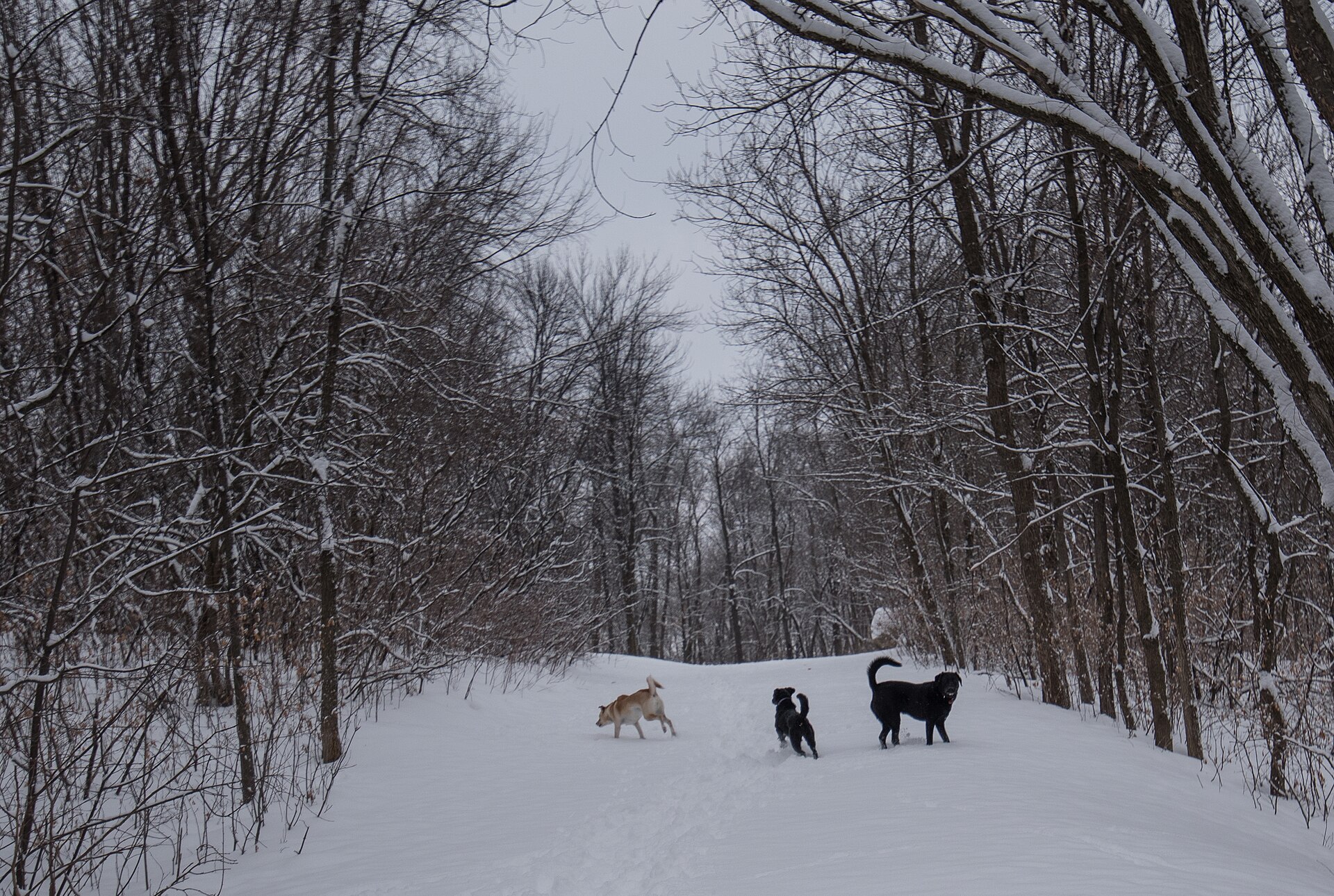
An Australian dog park is a social contract with grass stains. Someone's staffy wants to play. Someone's elderly cavalier wants a sniff. Someone's intact male wants to write a novel on every gatepost. The fence only works if humans watch the dog, carry bags, know the recall word, and leave when the chemistry is wrong.
Melbourne, Sydney and Brisbane all have popular enclosed parks, and they all have different signs, peak hours and tempers after a 38-degree day. This is not a national by-law. Read the plate on the gate. Behave as if the other people are neighbours you will see at the shops on Thursday.
Off-leash is a permission, not a personality type
Councils decide where dogs may be off-leash, and they change those maps. A river trail that was loose last spring may be on-leash through nesting season. A beach that looks empty at dawn in Mandurah may still be a wildlife reserve on the sign you walked past. In many local government areas the default in ordinary parks, playground surrounds and sports fields is on-leash. Off-leash pockets are the exception, sometimes time-limited, sometimes fenced, sometimes both.
Do not treat another owner's unclipped dog as legal research. If the sign says on-leash, clip on. If you want the wider picture of footpaths, leads and identification, read walking your dog in Australia and then come back to the park with the same seriousness.
Fenced parks still post rules for a reason: numbers, no dogs in season, children with an adult who is actually watching. Someone, at some point, made a mess that ended in a ranger.
Recall is the entry ticket
If your dog's recall is a hopeful noise you make while they disappear toward a border collie, you are not ready for a busy park. Practise in the backyard, then a quiet oval at an on-leash distance, then a fenced park at 7 a.m. on a Wednesday — not 10 a.m. on a sunny Saturday in inner Brisbane when every designer cross in a five-kilometre radius has arrived with a tennis ball.
A recall word should mean "come here and get paid", not "keep playing, I am narrating". Use food that matters. Use a long line in spaces where the law allows it if you are still in training. If two recalls fail, clip on and go home. That is not humiliation. That is you refusing to outsource your dog's impulse control to a stranger's shih tzu.
Watch body language the way you would watch traffic. A play bow and bouncy movement is one thing. A stiff tail, a freeze, a dog circling to mount, a pile-on that the dog on the bottom is trying to leave — that is when you walk in, cheerfully interrupt, and give everyone a gap. "They're fine, they're playing" is the sentence that precedes a lot of bites. You do not need to be a trainer to notice a dog looking for the exit.
Poo, water, and the unsexy kit
Carry bags in the pocket you actually use, not the ones fossilising in the hall bowl. Watch your dog. Off-leash dogs toilet the way off-leash dogs do: mid-play, mid-sniff, mid-conversation you were having about interest rates. If you did not see it happen, walk the last loop they did. Other people can smell what you missed.
Water is not decorative. In Australian summers a communal bowl in the sun becomes a warm soup of saliva and gum leaves. Bring your own bottle and a collapsible bowl. Do not let a panting dog empty a slimy shared tub and then wonder why they have diarrhoea on Tuesday. If the forecast is ugly, the park may be the wrong outing entirely — keeping dogs safe in Australian heat matters more than their social calendar.
Toys are optional and political. If a ball thrower turns the park into a mid-air pile-up, put the toy away.
Intact males, females in season, and the myth of "he'll be right"
An entire male who has never practised calm greetings is not a lifestyle brand. He is a dog with hormones and a hobby of posturing. Many parks ask that dogs in season stay home, and that is the correct reading even when the sign is faded. If your girl is in season, the park is a terrible idea for her and for every intact male whose owner swore he "doesn't care".
Desexing is a veterinary and legal conversation, not a park-gate personality test. What the park requires is control. If your intact dog cannot greet without mounting, staring, or starting a rumble at the gate — the most stupid square metre in any park — stay out until a trainer has helped you. Gate congestion is where leashes tangle and tempers shorten. Clip on until you are clear of the entrance. Unclip when your dog is facing you, not the scrum.
Keep parasite prevention current with your registered vet. A park is a parasite exchange with extra running. Do not bring a cough "just for a toilet", or a dog recovering from surgery who cannot defend their space.
Children, playgrounds, and other people's picnic rugs
A fenced dog park is not a playground with fur. If the enclosure sits next to swings, keep dogs off the play equipment and off the mulch where toddlers put things in their mouths. Teach your own kids that they do not run screaming at a pack, do not grab collars, and do not offer food to a dog they have never met. Other people's children are not a socialisation service for your puppy.
Picnic rugs on the edge of an off-leash zone are a grey area that still deserves a wide berth. Your friendly labrador does not know the difference between a dropped sausage and a greeting. Recall before they invent one.
Clip on when you leave the enclosure. Cyclists, prams and horses on the shared path are not extras in an enrichment video.
Heat, overcrowding, and when to leave
Australian parks in January are a different sport from the same grass in July. Bitumen car parks cook pads. Shade shrinks. Dogs with thick coats, short noses or dark fur overheat while their owners compare real estate. Go early. Go late. Skip the midday "quick one" in western Sydney or the Todd Street end of Alice when the air feels like a hairdryer.
If the park is already loud — barking at the fence, a cluster of adolescent males, one dog being relentlessly chased — you are allowed to turn around at the car. Reactive dogs, in particular, should not be asked to practise their worst moment as public theatre. Work with a trainer. Use distance. Choose on-leash parallel walks. A dog who needs space is not a failed Australian. Plenty of excellent dogs never set foot in a fenced park and still live full lives on beaches at legal hours, in quiet ovals, and on the couch.
Puppies deserve the same discretion. Ten minutes near the gate beats an hour of being body-slammed by a delighted oodle. Ask your registered vet when group contact is a sensible risk, then still pick the quiet session.
A short code you can actually remember
Watch your own dog more than you watch your phone. Ask before you let yours rush a newcomer. Clip on at the gate. Pick up the poo. Bring water. Leave the dog in season at home. Interrupt rude play early, when it is still a joke. Say "thanks, we're heading off" and mean it when the vibe sours.
None of this requires you to memorise another council's clause numbers. It requires you to treat the park as a shared living room with worse furniture. Do that, and the staffy, the cavalier and the intact male can all get a run without anyone writing to the ranger. Fail that, and the next review of off-leash hours will not go your way — and you will have earned the email.
People also ask
Are dogs allowed off-leash in Australian parks?
Only where your local council has designated an off-leash area, and often only at posted times. A suburban park with a cricket pitch is usually on-leash by default, even if someone else's kelpie is already running. Check the signs on the gate and your council website before you unclip, because the rule is local, not national.
What should I do if my dog is reactive?
A fenced dog park is a poor classroom for a dog who lunges, freezes, or practices staring contests. Use on-leash walks, distance, and a trainer or veterinary behaviourist who works with Australian conditions. If you arrive and the park is a swirl of over-aroused dogs, leave. That is good manners, not a failed social life.
Can puppies go to the dog park?
Wait until your registered vet confirms vaccinations are up to date and the pup has a reliable start on recall and bite inhibition. Even then, a busy Saturday park can flatten a small puppy or teach panic. Shorter, quieter sessions or a well-run puppy class are kinder than throwing a twelve-week-old into the deep end.
Do I have to pick up my dog's poo in an off-leash park?
Yes. Off-leash is not off-duty. Take more bags than you think you need, watch your dog instead of your phone, and bin it in the park bins or take it home. Councils fine people for a reason — leftover faeces spread parasites and make the next family step carefully through the same grass.